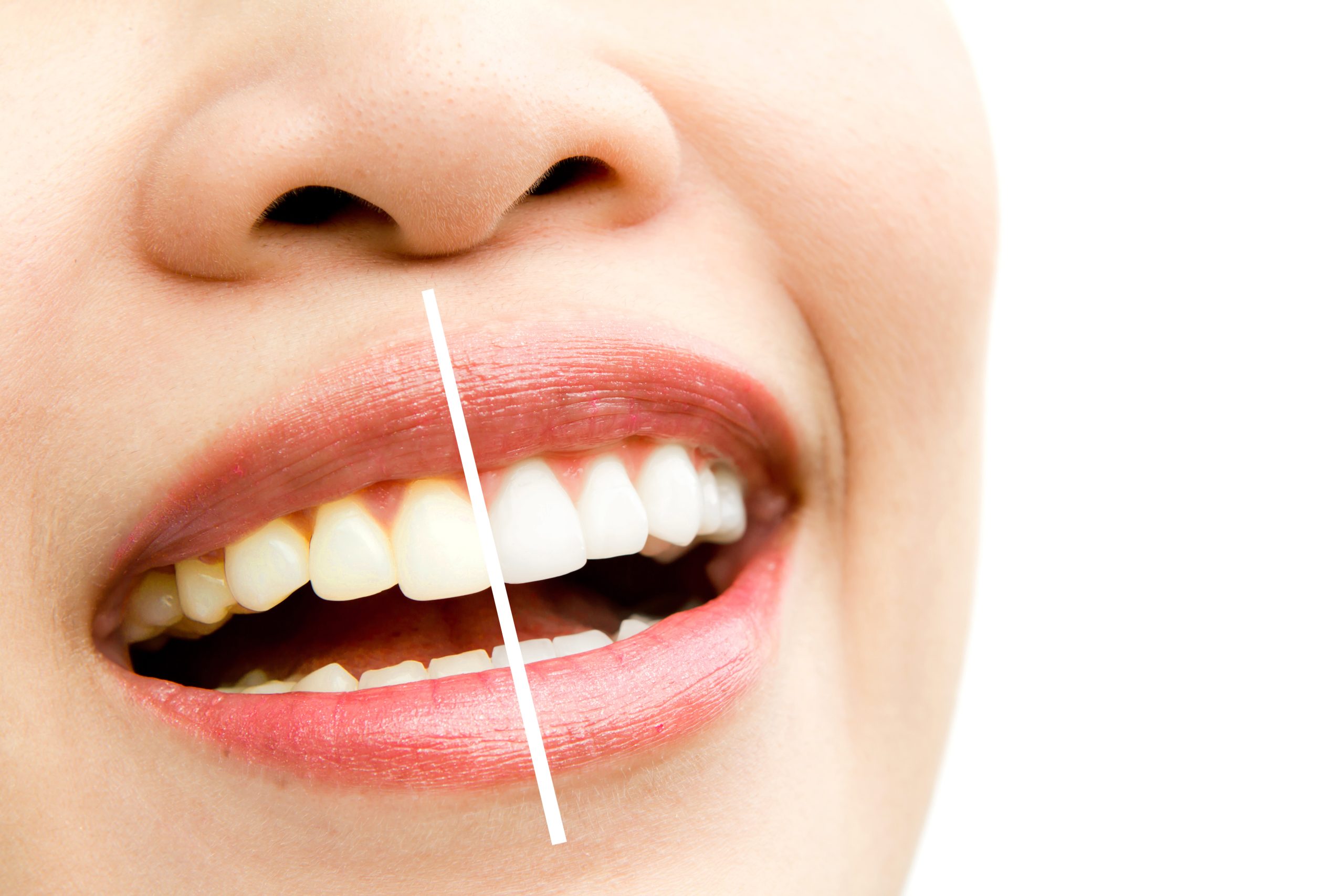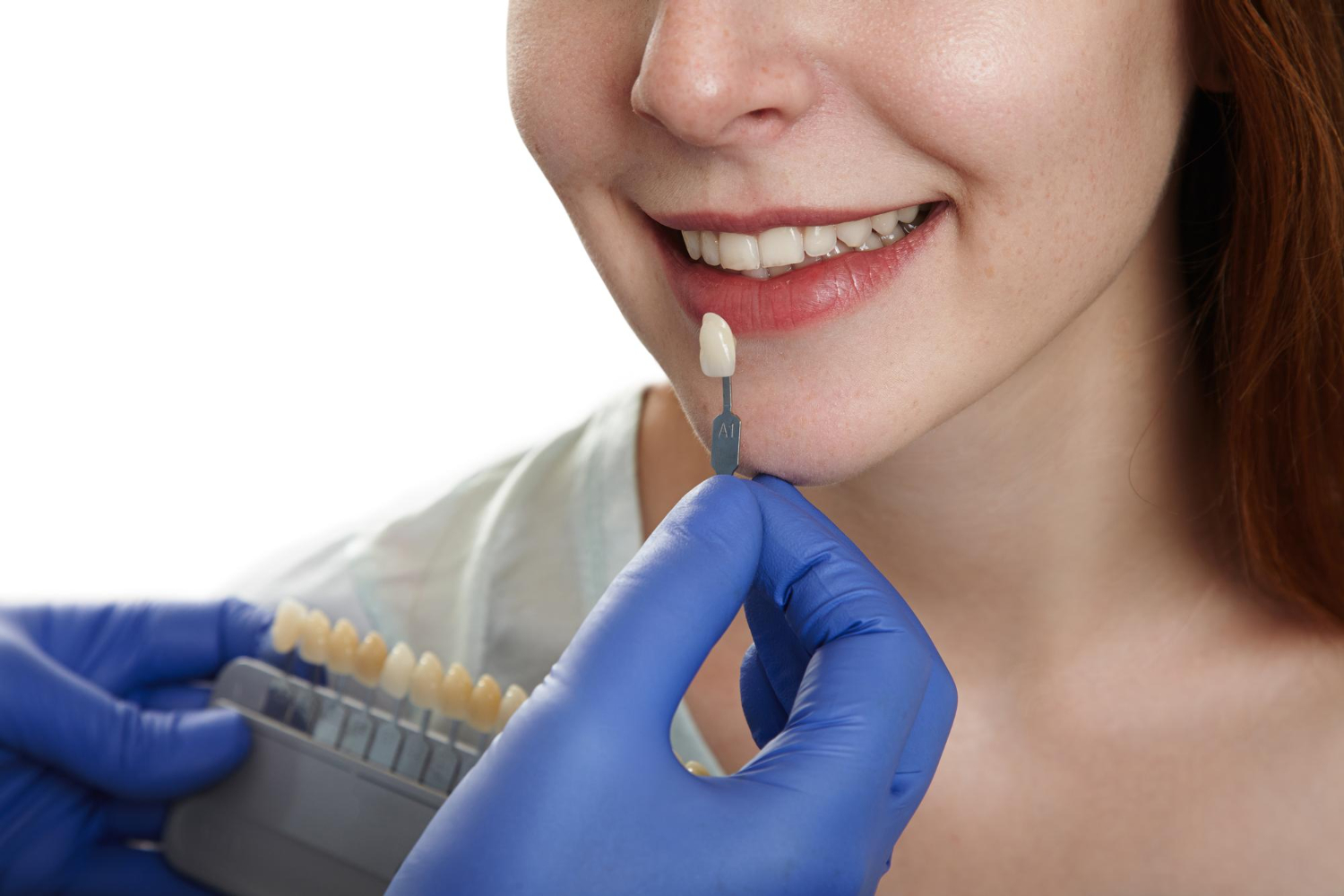

Veneers are one of the options people consider for a more even, balanced smile. They can help address cosmetic concerns about the colour, shape, size or overall appearance of your teeth. When researching what to know before getting veneers, look beyond the final appearance. The condition of your natural teeth, the proposed procedure and the aftercare involved also matter.
If you are considering veneers for the first time, you may have questions such as “do veneers damage teeth?”, “How much will my teeth need to be reshaped?” or “What happens to teeth under veneers?” The answers can vary from person to person, as treatment is planned around the condition of your teeth and your expectations.
What Does the Preparation Process for Veneers Involve?
Checking the Health of Your Teeth and Gums
Before getting veneers, your teeth and gums need to be assessed. Any decay, gum disease or other problems requiring treatment need to be addressed first. If there is severe wear, suitable treatment options are considered according to the remaining tooth structure. A healthy mouth helps support the long-term use of restorations.
Personalised Design and Planning
Treatment is not carried out in the same way for everyone. The existing shape of your teeth, your bite, smile line, lip shape and facial proportions are considered when creating a personalised design. One of the key things to know before getting veneers is that treatment needs to be planned around you.
Discussing Expectations and Alternatives
It is important to keep your expectations realistic. A smile seen online or on social media will not necessarily look the same on someone else. Your own face and teeth need to be considered together when planning a natural-looking result. Depending on your needs, alternatives such as whitening or orthodontic treatment may also be discussed.
Preparing the Teeth and Taking Impressions
The tooth surface is reshaped if the treatment plan requires it. For porcelain restorations, impressions or digital scans are taken before the veneers are made in a dental laboratory. Temporary restorations may be used at this stage if needed. The process for composite veneers can differ according to the technique chosen.
Who Is a Good Candidate for Veneers?
Veneers may be considered for people who are unhappy with the appearance of their teeth. They can improve the appearance of colour differences, certain irregular tooth shapes, small gaps, wear or minor unevenness.
However, the answer to “who is a good candidate for veneers?” depends on more than appearance. Your teeth and gums need to be healthy, your bite needs to be assessed, and your expectations need to be understood.
For example, significant crowding or a serious bite problem may call for another treatment first. If you clench or grind your teeth heavily, the suitability of veneers also needs to be assessed individually.
If you are considering veneers, your dentist therefore needs to assess your own teeth before making a recommendation.
Do Veneers Damage Teeth?
One of the main questions about veneers is how they affect natural tooth structure. The technique used and the amount of tooth tissue that needs to be removed are important considerations.
The amount of preparation is not the same in every case. The shape and position of your teeth, the technique chosen and the planned result can all affect how much reshaping is needed. Some teeth may need very little preparation, while others may require more.
It would therefore be misleading to assume that veneers always require extensive reshaping of your teeth. However, procedures that remove tooth enamel are irreversible, and sensitivity may occur after treatment. Ask your dentist what preparation your teeth will need, what risks are involved and which alternatives may be suitable.
What Happens to Teeth Under Veneers?
A veneer is a thin restoration placed on the front surface of a tooth. It does not replace the entire tooth, so natural tooth tissue remains underneath after placement.
So, what happens to teeth under veneers? When veneers are appropriately placed and regular oral care is maintained, the natural teeth can be kept healthy. However, having veneers does not make your teeth completely resistant to decay. Decay can develop underneath a restoration or around its edges.
Preventing plaque build-up along the gumline is particularly important. Regular brushing, cleaning between your teeth and dental check-ups therefore remain important after placement. A good fit between the restoration and the natural tooth also matters for long-term oral health.
Types of Veneers: Advantages and Disadvantages
The two main material options for fixed veneers are porcelain and composite. There are also minimal-prep and no-prep options, depending on how much preparation the teeth need. This distinction relates to the technique rather than the material.
Pros and Cons of Porcelain Veneers
Porcelain is one of the options used in cosmetic dentistry because it can resemble natural teeth. Its translucency and surface characteristics can help achieve a natural-looking result with appropriate design and placement.
When weighing the pros and cons of porcelain veneers, consider the ability to personalise tooth colour and shape, as well as resistance to staining.
However, porcelain can be more expensive than composite. Conventional porcelain veneer treatment involves removing some enamel, which is irreversible. Restorations may fracture or crack over time and may eventually need replacement. Like natural teeth, they also need regular care.
Pros and Cons of Composite Veneers
Composite veneers use a tooth-coloured, resin-based material. They may need less tooth preparation and fewer visits than porcelain. They are generally easier to repair if damaged and may cost less.
However, composite is not as resistant to staining and wear as porcelain. Surface adjustments, polishing or repairs may be needed over time. Aftercare needs are considered alongside cosmetic expectations when choosing a material.
Minimal-prep and No-prep Veneers
These approaches aim to reduce the amount of preparation needed on the tooth surface. Preserving more natural tooth structure can be an advantage for suitable patients. However, the term “no-prep” does not mean that enamel is never removed or that the procedure can always be reversed.
These options are not suitable for everyone. The position and shape of the teeth, along with the space available for the restoration, determine how much preparation is needed and whether these techniques can be used.
Questions to Ask Before Getting Veneers
Asking your dentist a few key questions before treatment can make the decision easier:
How Much Tooth Structure Will Be Removed?
Ask what preparation your own teeth will need and whether the procedure is reversible. Also find out whether there are any existing dental problems that need treatment first.
Which Material Is Right for Me?
Discuss how porcelain and composite differ in relation to your needs. Ask about the expected appearance, aftercare requirements and any repairs or replacements that may be needed in the future.
Are There Alternatives to Veneers?
Ask whether other methods could meet your cosmetic goals. When deciding, consider the preservation of natural tooth structure and long-term aftercare needs as well as the final appearance.
Why Is Veneer Aftercare Important?
Oral care needs to continue after placement, just as it does for natural teeth. Aftercare helps protect both the restorations and the natural teeth underneath.
Daily Oral Hygiene
Brush your teeth at least twice a day with fluoride toothpaste and clean between them every day. Your dentist can help you choose suitable products and cleaning methods.
Avoiding Habits That Put Pressure on Restorations
Using your teeth to break hard objects or open packaging, or biting your fingernails, can damage restorations. Tell your dentist if you clench or grind your teeth. Protective measures can be planned if needed.
Regular Dental Check-ups
During check-ups, your dentist assesses your gums, natural teeth and the fit of your restorations. In addition to scheduled visits, contact your dentist if you notice fractures, loosening, discomfort when biting or persistent sensitivity.
Veneers can change the appearance of your smile when planned around your individual needs. Before deciding, consider the health of your natural teeth, the proposed procedure and long-term aftercare as well as the final appearance.
If you are wondering whether veneers are right for you and which option could achieve a natural-looking result, contact our clinic for an assessment tailored to your teeth.
Frequently Asked Questions
What should I know before getting veneers?
Your teeth and gums need to be assessed first. Discuss whether reshaping is required, which material will be used, the expected appearance, alternative treatments and aftercare needs with your dentist. A personalised treatment plan and realistic expectations are also important when making your decision.
Who is a good candidate for veneers?
Veneers may be an option for people concerned about tooth colour, shape, size or small gaps. However, suitability depends on more than appearance. Oral health, your bite and habits such as clenching are also assessed. Significant crowding or bite problems may require a different treatment.
Do veneers damage teeth?
The technique used and the amount of tooth tissue removed are important considerations. Procedures that remove enamel are irreversible, and sensitivity may occur afterwards. Veneers do not completely protect teeth from decay. Risks and alternatives therefore need to be assessed before treatment.
What happens to teeth under veneers?
Natural tooth tissue remains beneath the restoration. With appropriate placement and regular care, the teeth can be kept healthy. However, decay can develop underneath a restoration or around its edges, so brushing, cleaning between your teeth and check-ups need to continue after placement.
What is the difference between porcelain and composite veneers?
Porcelain offers greater resistance to staining and wear. Composite may need less preparation and fewer visits and is generally easier to repair if damaged. However, staining and wear may create a greater need for maintenance. The choice depends on your teeth and expectations.
Can veneers be fitted without removing enamel?
For some people, veneers may be considered with very little preparation or no enamel removal. However, this is not suitable for everyone. The term “no-prep” does not guarantee that no enamel will be removed. The amount of preparation depends on the position of your teeth and the planned restoration.
How should I care for my veneers?
Brush at least twice a day with fluoride toothpaste, clean between your teeth every day and attend regular dental check-ups. Avoid habits such as using your teeth to break hard objects or biting your fingernails. If you clench or grind your teeth, suitable protective measures can be considered.