Thousands of Happy Smiles Worldwide
Sisli / Istanbul, Turkiye

Digital Smile Design

Personalized Aesthetic Smile Planning

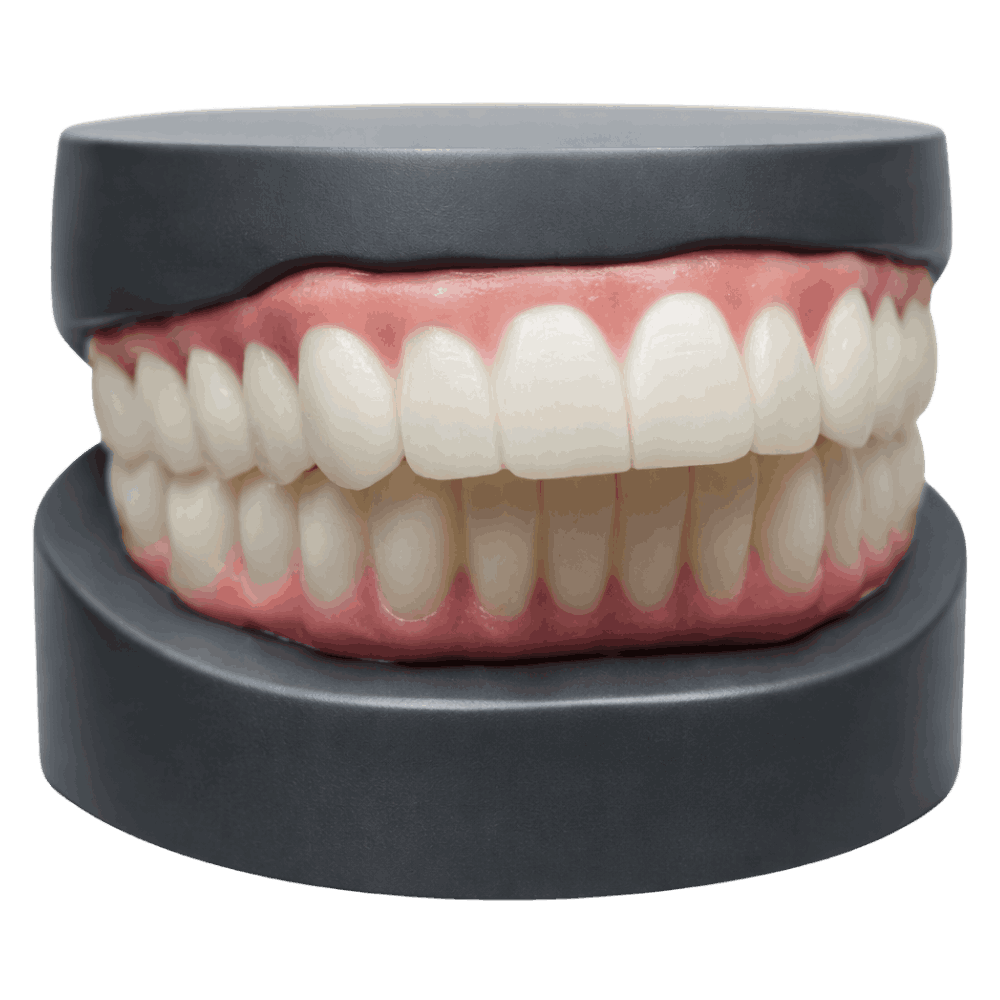
Digital Smile Design is a comprehensive treatment process in which the ideal smile is planned from both aesthetic and functional perspectives by analyzing facial proportions, lip structure, gingival levels, and tooth form.

Initial Examination & Aesthetic Analysis

Image link

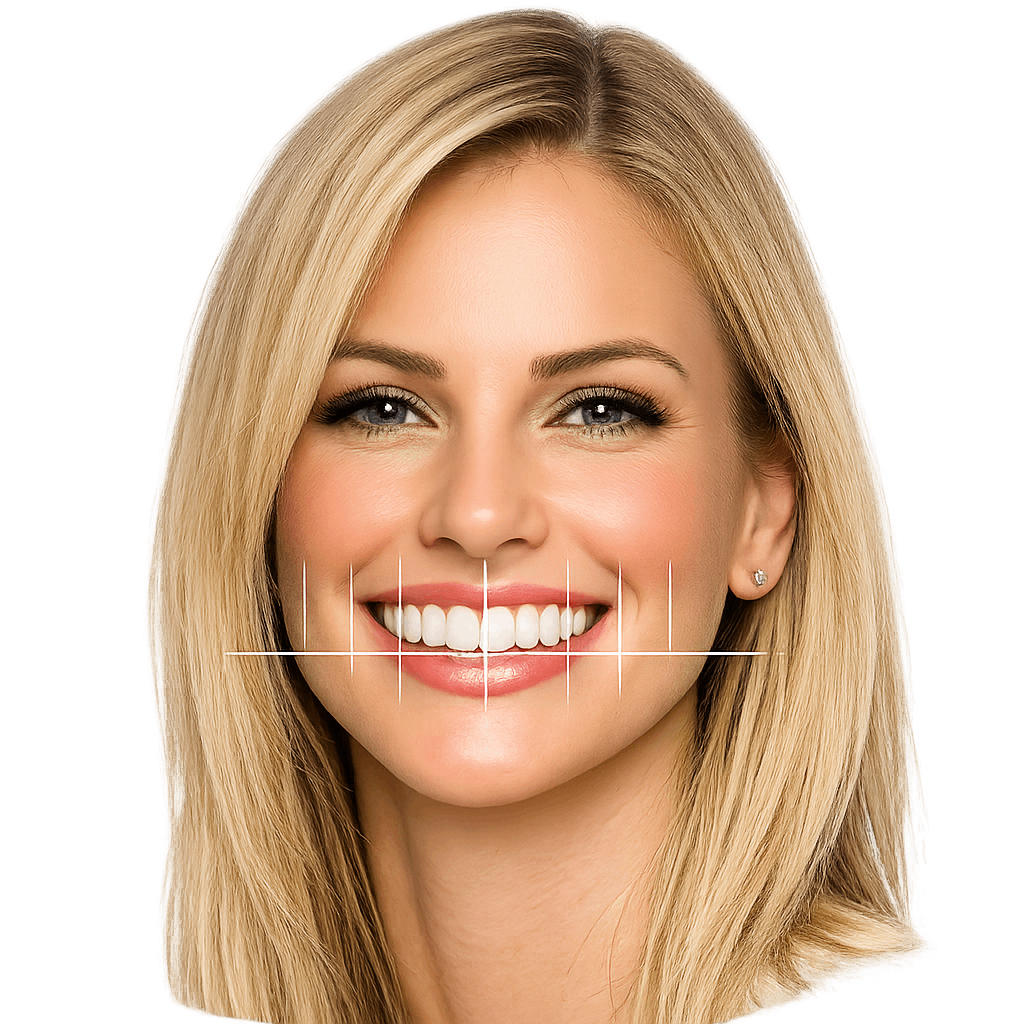
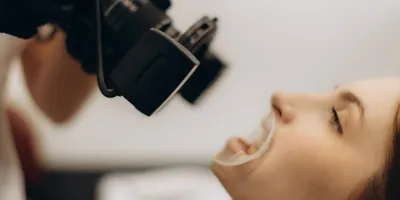
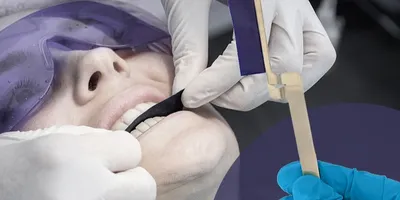
1) Facial and Profile Photography

The patient’s facial proportions, lip support, and smile symmetry are evaluated in detail through professional photography.

Image link

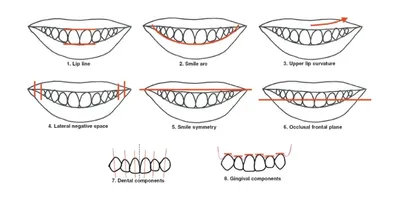
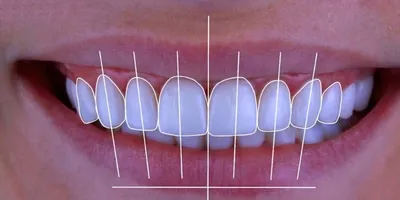
2) Smile Line Analysis

The harmony between the teeth and lip movement, as well as the tooth–gingiva balance visible during smiling, is analyzed.

Image link

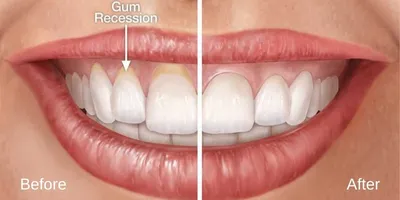
3) Gingival Symmetry Assessment

Gum levels are examined and necessary adjustments are planned to achieve optimal aesthetic harmony.

Image link

4) Occlusion (Bite) Analysis

The relationship between the upper and lower jaws is evaluated to ensure both functional and aesthetic balance.

Image link

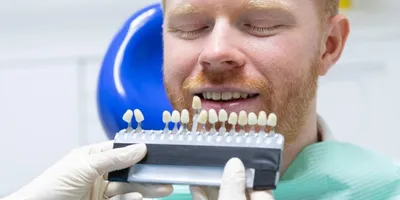
5) Shade Selection

The ideal ceramic shade is determined based on the patient’s natural tooth tone and aesthetic expectations.

Image link

6) Patient Aesthetic Expectation Analysis

A personalized smile design plan is created in line with the patient’s facial structure and individual preferences.

Computer-Based Smile Design & Preview

  • Digital analysis is performed using patient photographs

  • Tooth dimensions are planned according to facial proportions

  • Smile line and tooth forms are presented through simulation

  • The patient previews the planned outcome before treatment begins

Upon approval, the laboratory process is initiated

Laboratory Process & Aesthetic Layering

The laboratory phase is the most critical stage for achieving aesthetic excellence. The process includes:

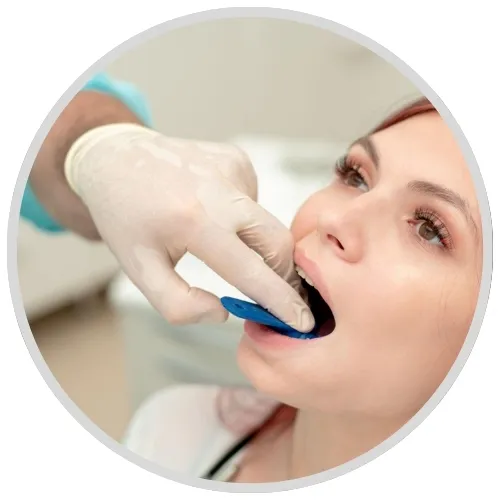
1) Precision Impression Preparation
A high-accuracy impression is taken to establish the foundation of the laboratory workflow.
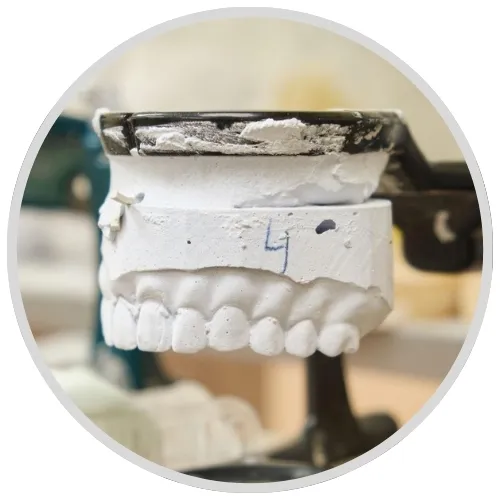
2) Model Fabrication
A gypsum or digitally supported model is created based on the impression to establish the working base.
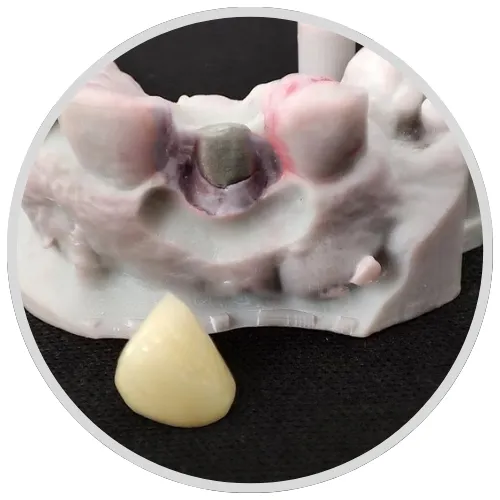
3) Framework Production
The zirconia substructure that ensures durability and strength is fabricated.
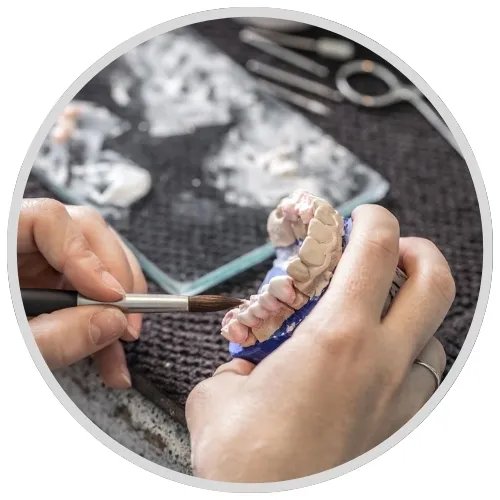
4) Ceramic Layering
4) Ceramic Layering
Ceramic layers are applied according to aesthetic proportions to achieve a natural tooth appearance.
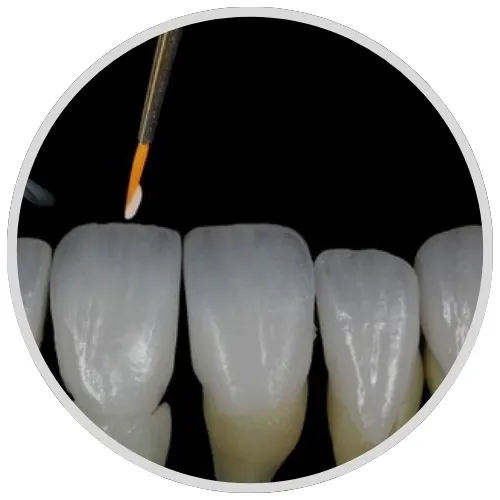
5) Application of Natural Shade Transitions
Enamel translucency and tonal transitions are meticulously crafted with micro-level detailing.
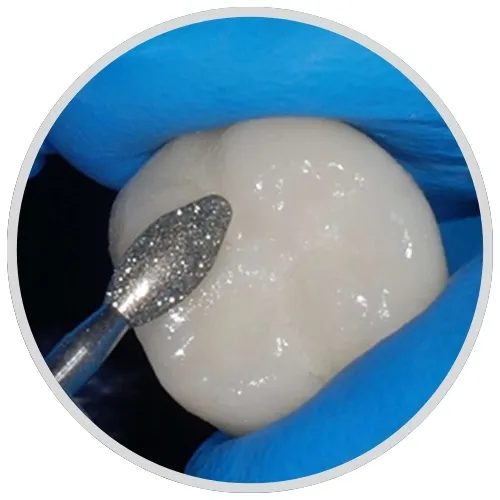
6) Final Polishing and Surface Glazing
The restoration is polished to achieve natural brightness and a smooth surface texture.

Made in Switzerland

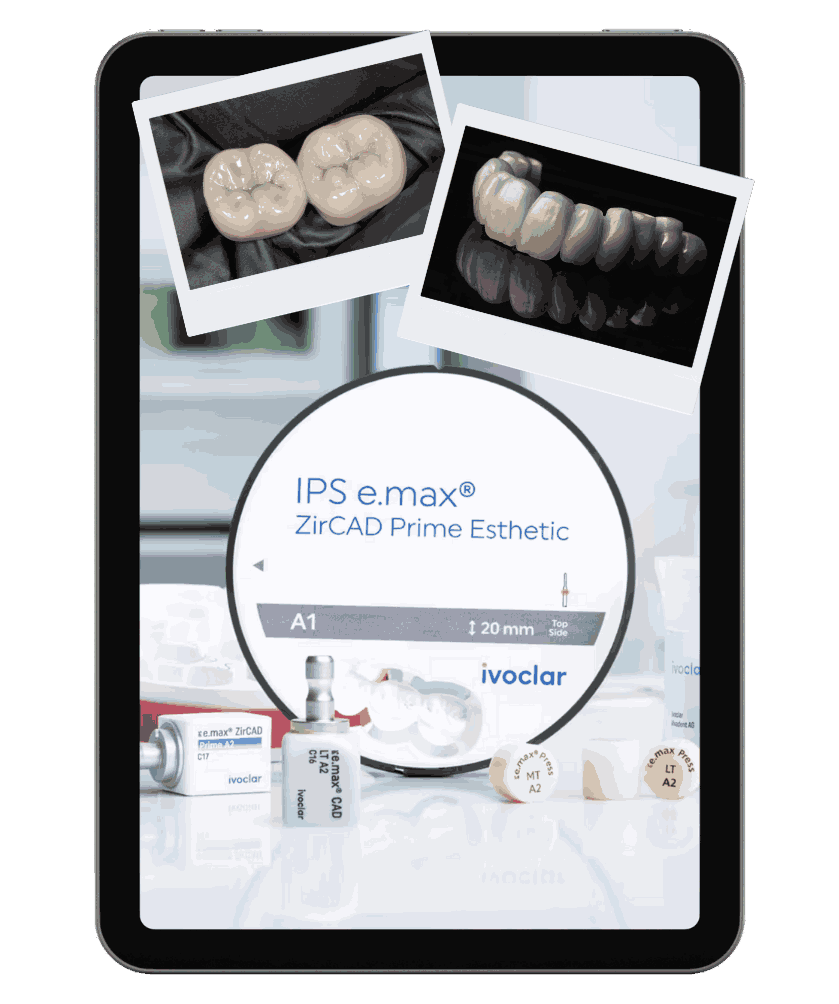
Ivoclar: Swiss-Origin Zirconia & Emax Manufacturer

Ivoclar is globally recognized as a reference brand in dental ceramics. Thanks to its high color stability, natural light transmission, and biocompatible structure, it delivers both aesthetics and durability in zirconia and Emax restorations.

Image link

Materials Used

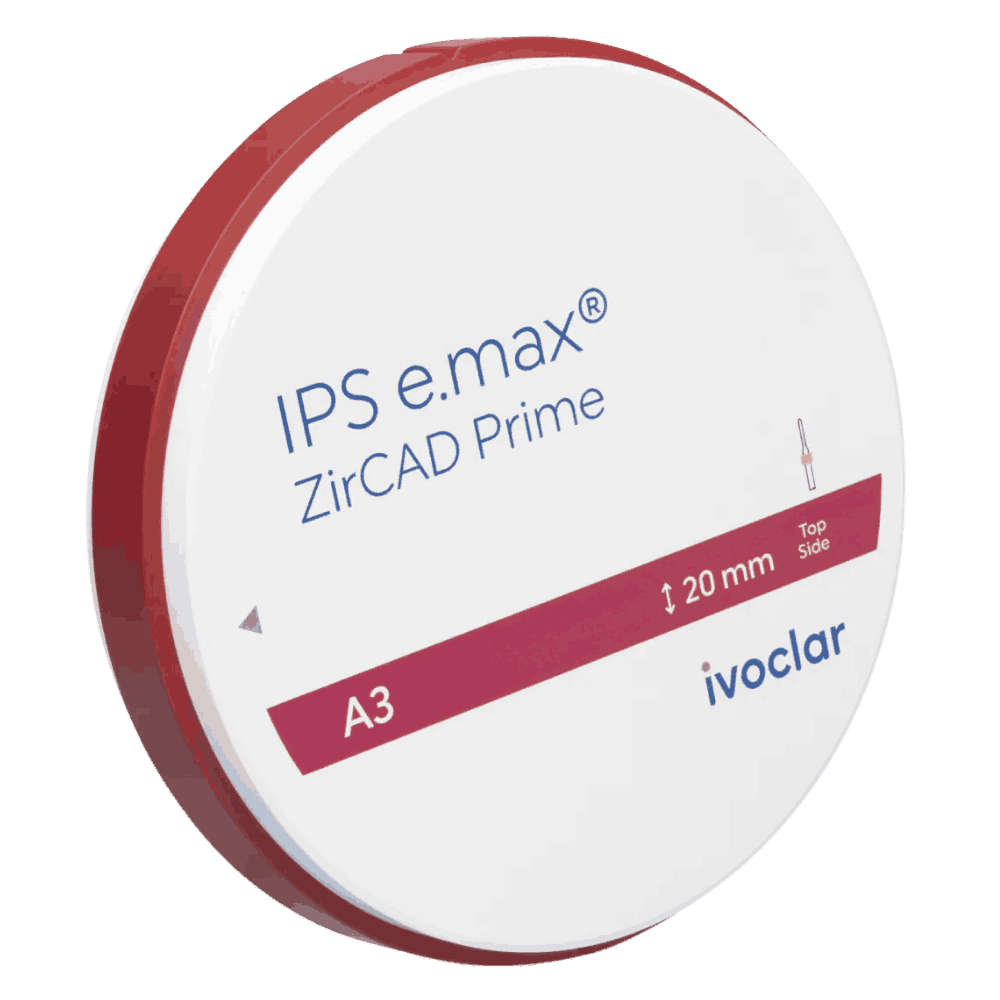
Ivoclar IPS e.max ZirCAD Prime

Ivoclar Zirconium

High strength
Natural light transmission
Biocompatible structure
Long-lasting performance
Ivoclar ZirCAD Prime Esthetic

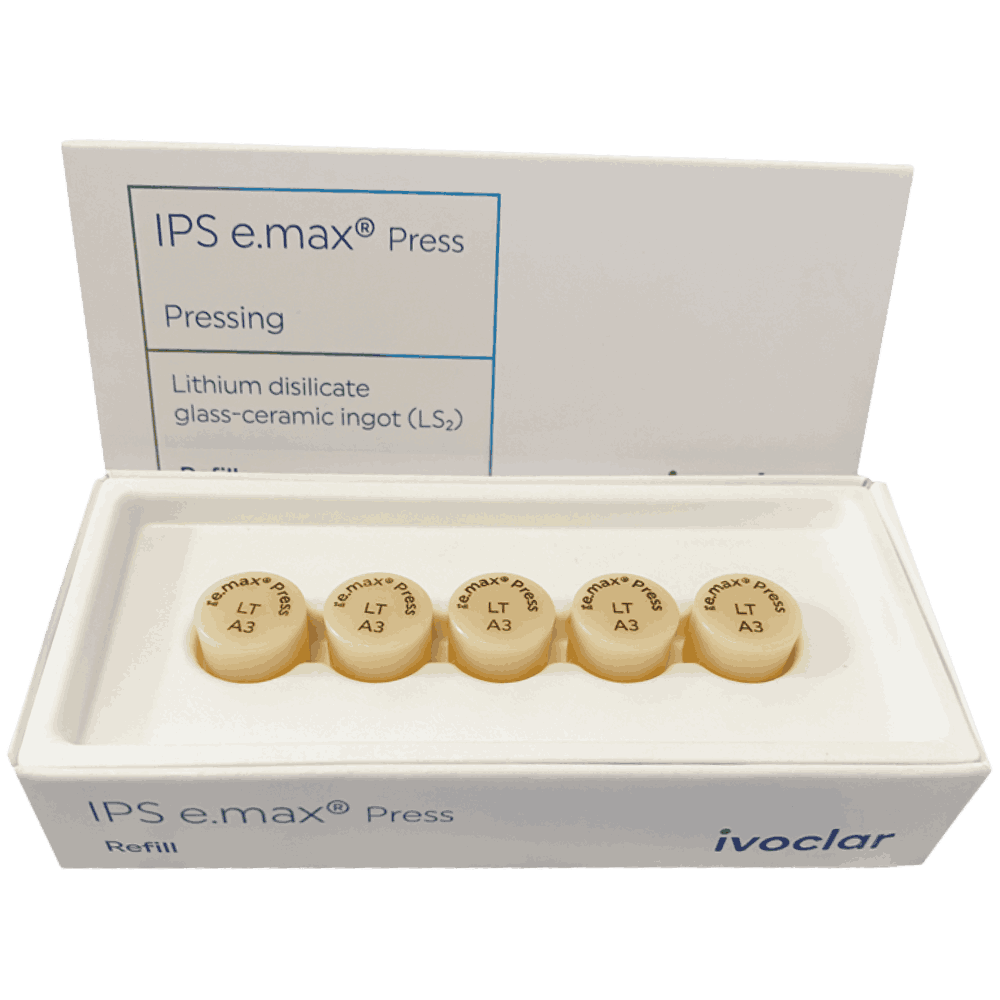
Emax Laminate Veneer

Superior aesthetics
Minimal preparation
High translucency
Ideal solution for anterior teeth
IPS e.max ZirCAD Prime (Full Contour)

Monolithic Zirconia Crown

Single-piece durable structure
High strength for posterior teeth
Long-term use
Balance of aesthetics and function

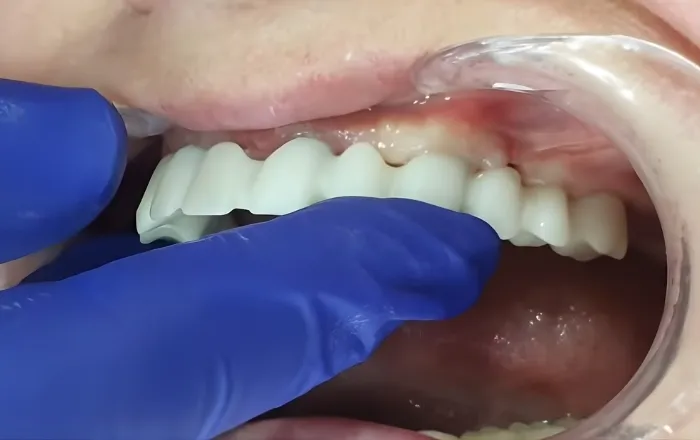
Temporary Restoration Phase

  • A temporary restoration is applied after impressions are taken
  • The patient experiences the design intraorally
  • Function and aesthetics are evaluated
  • Revisions are performed if necessary

Intro
Trustpilot logoTrustpilot
Excellent rating
TrustScore 4.6
32 reviews