
You may want to lighten your teeth, repair a small chip or improve an uneven smile. Aesthetic dentistry brings together different procedures to address these goals. The right choice depends on the appearance you want to achieve as well as the current condition of your teeth.
One procedure may be enough for some people, while others may need a combination of treatments. When considering your options, it helps to understand what each method can change, what preparation it involves and what aftercare it needs.
What Is Cosmetic Dentistry, and What Are Its Goals?
Cosmetic dentistry, also known as aesthetic dentistry, focuses on improving the appearance of the teeth and gums. It considers tooth colour, shape, size and alignment, as well as the amount of gum visible when you smile.
The aim is an appearance that complements your facial features and natural teeth. Oral health and your bite are considered alongside cosmetic goals during planning. This means the same shade, tooth shape or set of procedures is not recommended for everyone. The treatments needed to achieve the desired change are selected individually.
Cosmetic, General and Restorative Dentistry: The Differences
The aims of these areas can overlap. Understanding the differences starts with identifying the main need that a treatment is intended to address.
General Dentistry
General dentistry focuses on protecting oral health, identifying problems early and treating them. It includes regular examinations, preventive care, treatment for tooth decay and monitoring gum health. These health needs are also assessed first when planning a cosmetic change.
Restorative Dentistry
Restorative dentistry aims to rebuild tooth structure and restore chewing function affected by decay, fractures, wear or tooth loss. Fillings, crowns, bridges and implant-supported restorations may be used for this purpose. A tooth’s appearance can also be improved while restoring its function.
Aesthetic Dentistry
Cosmetic dental procedures primarily aim to improve the appearance of your smile. Goals may include lightening tooth colour, correcting minor shape differences or creating a more balanced gumline. A crown, for example, can both protect a damaged tooth and change its appearance. The methods may overlap even when the main purpose of treatment differs.
What Does a Cosmetic Dentist Do?
The initial assessment looks at the health of your teeth and gums, how your teeth meet and how your smile fits your face. Your dentist discusses what you are unhappy with and the change you would like to achieve. Photographs, impressions, digital records or X-rays may be used where necessary.
Your dentist uses this information to explain suitable methods, alternatives and the limits of treatment. Planning also considers the preservation of natural tooth structure, possible risks, the number of visits and long-term aftercare needs. The decision is therefore based on more than a material or procedure name.
What Does Cosmetic Dentistry Include?
Cosmetic dentistry treatments can involve different methods depending on the change you want. Some procedures focus directly on appearance, while others are planned alongside treatments that restore oral health and function.
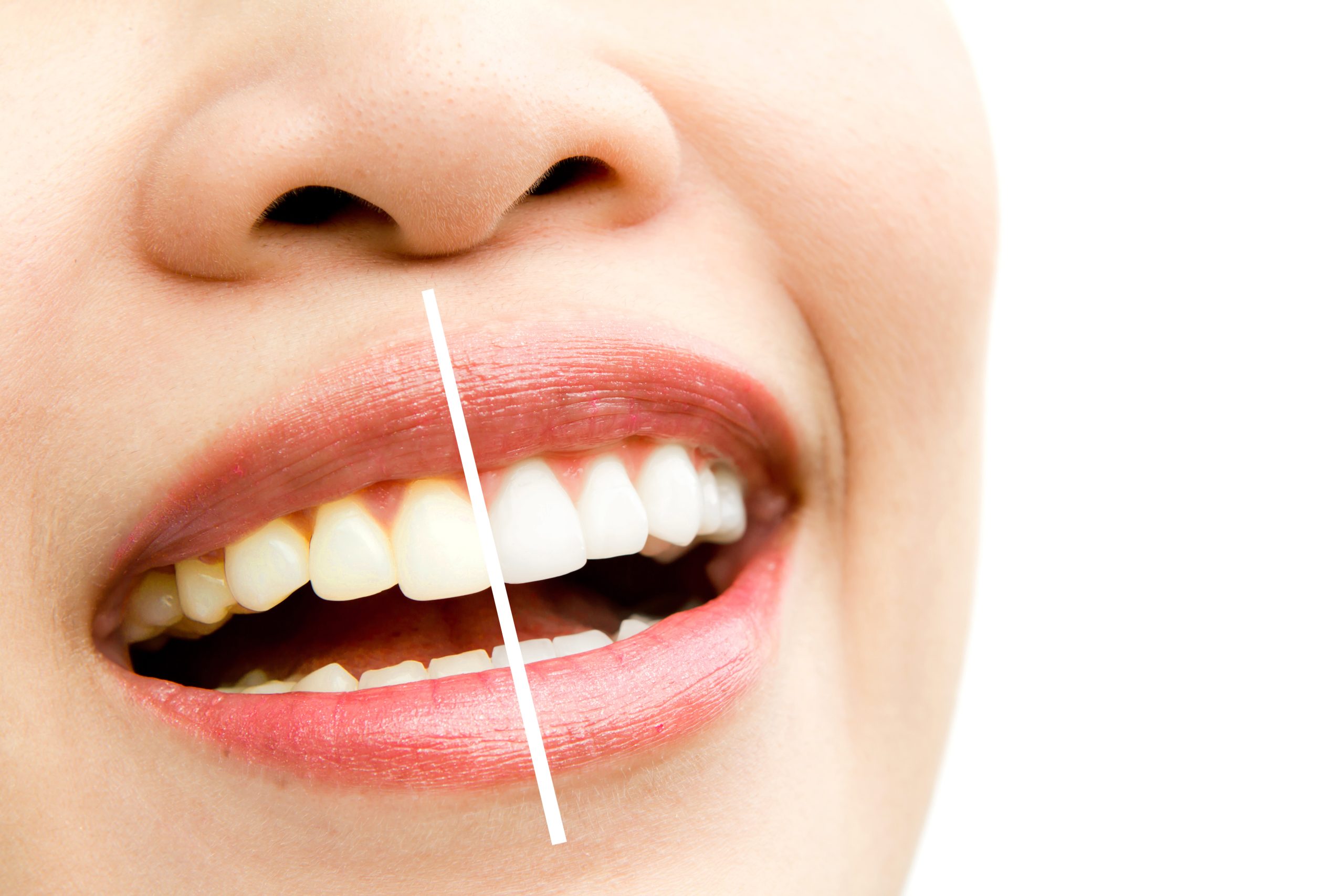
Teeth Whitening
Teeth whitening is used to lighten the colour of natural teeth. It can be carried out in the clinic or at home using custom trays and products provided or recommended by your dentist. The choice depends on the cause of discolouration and your needs.
Whitening does not change the shape or position of teeth. It also does not lighten existing fillings, crowns or veneers. If you have different restoration materials in your mouth, colour matching needs to be considered in advance. Temporary sensitivity may occur during or after treatment.
Bonding and Tooth-coloured Fillings
Bonding involves shaping a tooth-coloured composite material on the tooth surface. It can change the appearance of small chips, certain shape differences or small gaps between teeth. After shaping, the material is hardened with a curing light, then finished and polished.
Tooth-coloured fillings can replace tissue lost through decay or other damage. Both approaches aim to match the colour and shape of the natural tooth. Composite surfaces can stain or wear over time, so aftercare, check-ups and possible repairs are considered during planning.
Laminate Veneers
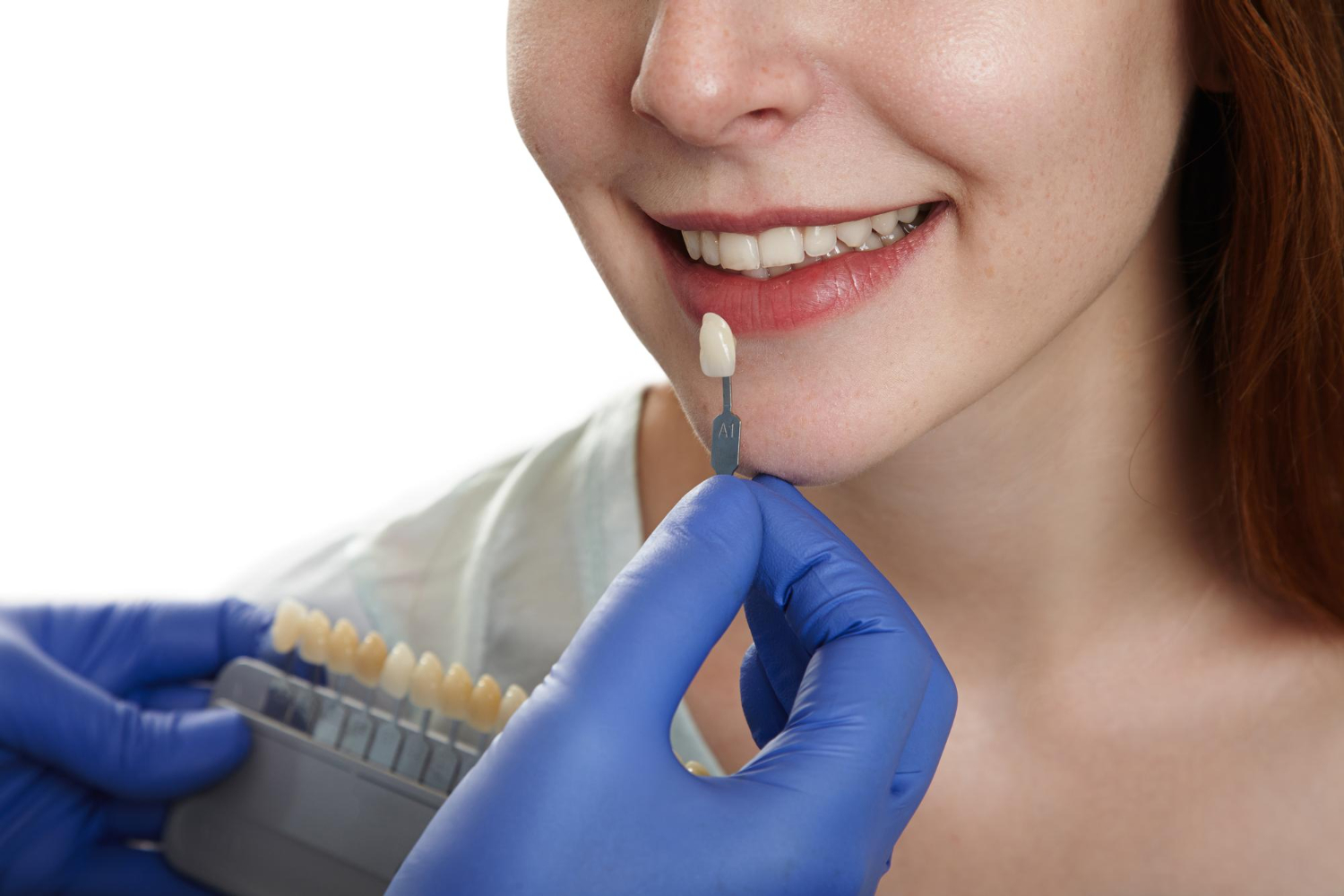
Veneers are thin restorations placed on the front surfaces of teeth. They may be considered for cosmetic concerns about colour, shape, size or small gaps. Porcelain and composite options are chosen according to your tooth structure and the appearance you want to achieve.
Preparation needs vary from tooth to tooth. Some procedures involve reshaping the tooth surface, and preparation that removes enamel is irreversible. The expected appearance, preservation of natural tooth structure and alternative methods are therefore considered together before deciding. Restorations may need repair or replacement over time.
Tooth Contouring
Tooth contouring removes a small amount of enamel to adjust the shape or edges of a tooth. It may be considered for small edge irregularities or minor differences in shape.
The extent of change possible depends on the amount of enamel available and the tooth’s structure. Removed enamel does not grow back, so tooth health and the planned changes need careful assessment first. This method may not suit every shape or size concern.
Cosmetic Gum Treatments
An uneven gumline or the amount of gum visible when smiling may be a cosmetic concern for some people. Where appropriate, treatment can adjust the shape of the gum tissue and its relationship with the teeth.
Gum health and tissue structure are assessed before planning treatment. Any gum disease needs to be treated first. The procedure and recovery depend on the extent of the planned changes. Different gum concerns may need different approaches.
Orthodontic Treatments
Orthodontic treatment is used to adjust tooth position and, where needed, the bite. It can address crowding, gaps between teeth and certain bite problems. Depending on suitability, options such as fixed braces or clear aligners may be used.
These methods move the teeth to affect appearance and function. They do not make the same changes as adding a restoration to the front surface. The choice and duration of treatment depend on tooth position, the bite and individual needs.
Crowns in Cosmetic Treatment Planning
A crown may be considered when a tooth has extensive decay, fractures, wear or weakness. It covers the tooth to help protect the remaining structure and restore function. Its colour and shape can also be designed to match the natural teeth.
Veneers cover the front surface, while a crown covers the entire visible part of a tooth. The amount of preparation and purpose of use can therefore differ. A cosmetic concern alone does not mean that a healthy tooth necessarily needs a crown.
Bridges and Implant-supported Restorations
Missing teeth can affect chewing and speech as well as the appearance of your smile. A bridge can fill a gap by taking support from neighbouring teeth or implants.
A dental implant replaces a missing tooth root with a support placed in the jawbone. The crown, bridge or denture it supports replaces the missing teeth. These procedures primarily address the needs created by tooth loss. The restoration’s colour, shape and relationship with the gums are also considered during design. Suitability is assessed by examining the teeth, gums, bone structure and general health together.
What Problems Can Cosmetic Dental Treatments Address?
Cosmetic dentistry services can be planned around a range of needs. Common concerns include:
- Discolouration and staining: Depending on the cause, whitening or suitable restorative options may be considered.
- Small chips and shape differences: Options may include bonding, veneers or limited contouring.
- Gaps and crowding: Depending on the extent of the problem, orthodontic treatment or restorative adjustments for suitable patients may be planned.
- Gumline irregularities: Different adjustments may be considered according to gum health and tissue structure.
- Worn, damaged or missing teeth: Restorative treatment that considers function and appearance together may be needed.
Similar cosmetic concerns can have different causes. Choosing a treatment based only on a photograph or on what someone else has had is therefore not enough.
Who Is a Good Candidate for Cosmetic Dentistry Treatments?
If you would like to change the appearance of your teeth or gums, you can seek an assessment for aesthetic dentistry. Suitability is based on more than cosmetic goals. The health of your teeth and gums, your bite, existing restorations, habits such as clenching and your daily care routine are also assessed.
Untreated decay or gum disease needs to be addressed first. Age, tooth development, general health and the requirements of the chosen method can also affect the plan. Not every procedure is suitable for every person.
How Is the Right Treatment Chosen for You?
When considering cosmetic dentistry options, start by identifying the appearance you would like to change. Your dentist then uses the examination findings to discuss which methods could meet that goal. For example, whitening may be considered if you only want to change tooth colour, while a tooth position problem may need an orthodontic approach.
Preparation, preservation of natural tooth structure, possible risks, aftercare and future replacement needs are considered together. If more than one method is suitable, the changes each can achieve and its limitations are compared. The aim is a plan that supports oral health and fits your expectations.
Contact our clinic to learn more about cosmetic dentistry options that may suit you and discuss a personalised treatment plan.
Frequently Asked Questions
What is cosmetic dentistry?
It includes procedures that focus on improving the appearance of teeth and gums. Colour, shape, size, alignment and the gumline are assessed together. Treatment is planned around your expectations while also considering oral health, your bite and the preservation of natural tooth structure.
What does cosmetic dentistry include?
Methods may include whitening, bonding, tooth-coloured fillings, veneers, tooth contouring and cosmetic gum treatments. Orthodontic treatment and any necessary restorative procedures can also be included in cosmetic planning. Not everyone needs all of these treatments.
How does cosmetic dentistry differ from general and restorative dentistry?
General dentistry focuses on maintaining and treating oral health. Restorative procedures prioritise rebuilding the structure and function of damaged or missing teeth, while cosmetic procedures focus on improving appearance. The same treatment can benefit health, function and appearance.
What does a cosmetic dentist do?
They assess your oral health, bite, the appearance of your teeth and your cosmetic expectations. They explain suitable methods, alternatives, risks and aftercare needs to create an individual plan. Where necessary, treatment may involve other areas of dentistry.
Can anyone have cosmetic dental treatment?
Not every procedure is suitable for everyone. Decay, gum disease, bite problems or clenching can affect treatment planning. Oral health is assessed first, and existing problems are treated where necessary. A suitable method is chosen after examination.
Do cosmetic dental procedures always require enamel removal?
No. Preparation needs depend on the method chosen. Whitening, for example, does not involve reshaping a tooth, while some veneer, crown or contouring procedures may remove tooth tissue. The irreversible nature of enamel removal is considered when deciding on treatment.
What aftercare is needed following aesthetic dentistry treatments?
Regular brushing, cleaning between your teeth and ongoing dental check-ups are important. Product choices, eating habits and protective measures can vary with the procedure. Following your dentist’s individual advice helps protect both your natural teeth and restorations.