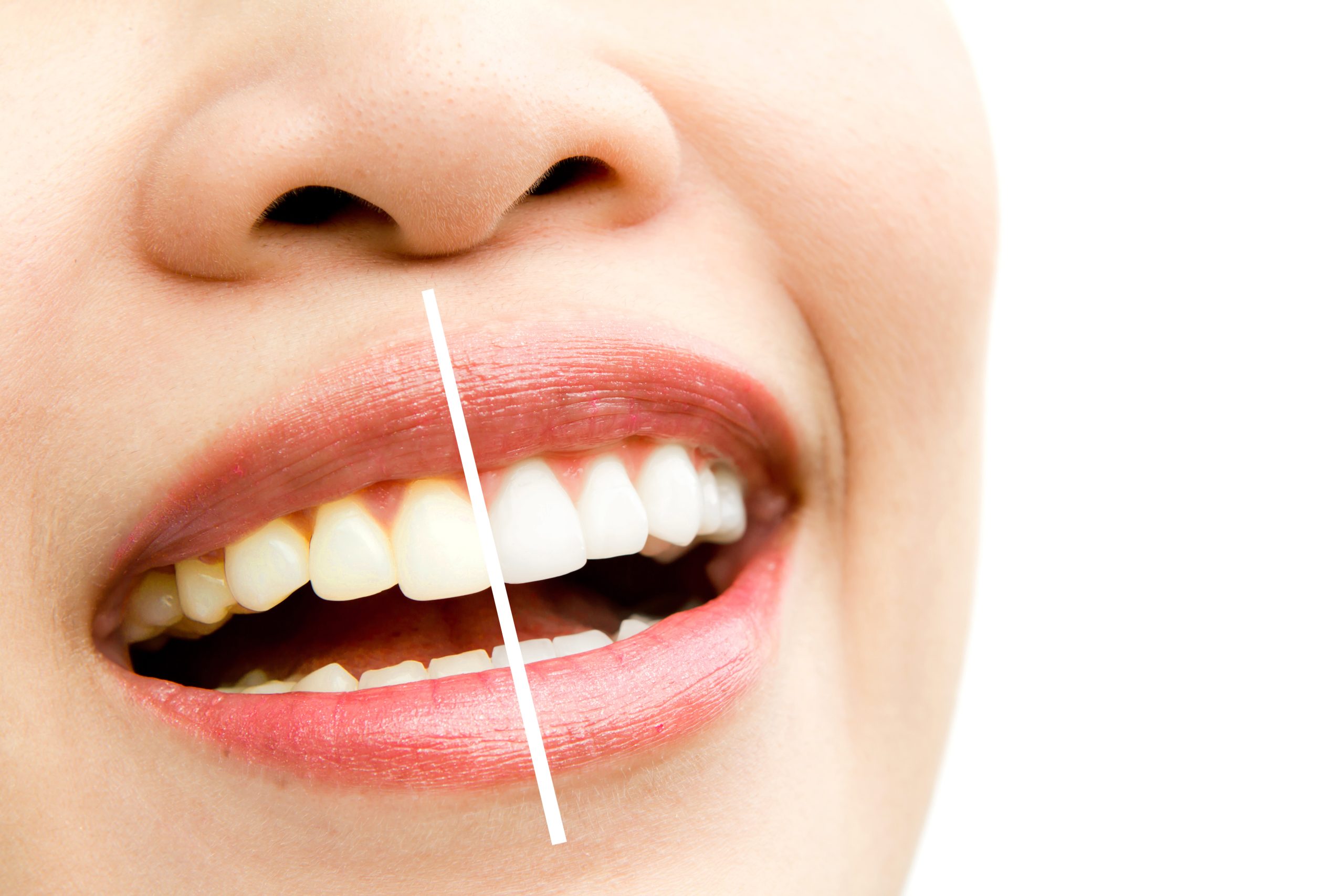

Teeth whitening lightens the natural colour of your teeth. How long you keep that lighter shade depends on the condition of your teeth, how you care for them and your everyday habits.
How Long Does Teeth Whitening Last?
Results vary from person to person. For some people, the lighter shade can last for a few years. New surface stains can build up over time and teeth can darken naturally with age.
What Affects Teeth Whitening Longevity?
The cause of discolouration and the whitening method both affect professional teeth whitening results. Daily habits also play a part in how long the lighter shade lasts.
Food and Drink
Pigments in tea, coffee and red wine can build up on the surface of your teeth. Some deeply coloured foods and sauces can also leave stains over time.
Tobacco Use
Smoking and other forms of tobacco use can leave yellow or brown stains. Avoiding tobacco helps reduce the build-up of these stains.
Oral Care and Tartar
Plaque and tartar can make teeth look dull or yellow. Daily cleaning helps control plaque. Your dentist may recommend professional cleaning to remove tartar and surface stains.
In-Clinic Whitening and Dentist-Supervised Home Whitening
With in-clinic whitening, the dentist protects your gums before applying a whitening gel to your teeth. Results usually appear sooner than with home whitening.
For dentist-supervised home whitening, trays are made to fit your teeth. Your dentist explains how to use the gel and how long and how often to wear the trays. The colour changes gradually. Your dentist considers the health of your teeth and gums and any existing sensitivity before recommending an option.
How to Maintain White Teeth After Whitening
Teeth whitening aftercare starts with daily cleaning. Brush twice a day with fluoride toothpaste and a soft toothbrush. Use floss or a suitable interdental brush to clean between your teeth each day. Ask your dentist how often you need check-ups or professional cleaning.
What to Avoid After Teeth Whitening
Brush gently and speak to your dentist before combining whitening products. If you use trays at home, follow your dentist’s instructions on how much gel to use and how long to wear them. If hot or cold food and drink trigger sensitivity, try lukewarm options for a while.
Can You Drink Coffee After Whitening?
Follow any advice your dentist gives you about drinking coffee after treatment. Frequent coffee drinking can leave surface stains over time.
What Causes Teeth Sensitivity After Whitening?
Whitening gels containing hydrogen peroxide or carbamide peroxide can cause temporary sensitivity. You may notice a sharp twinge with cold food or drinks. How sensitive your teeth feel can depend on the strength of the gel and how long it is applied.
How Long Does Sensitivity Last?
Sensitivity usually eases within a few days. Contact your dentist if it is severe, gets worse or shows no sign of easing.
How Can You Ease Sensitivity?
Your dentist may recommend a toothpaste for sensitive teeth. If you are whitening at home and the sensitivity gets worse, speak to your dentist before your next application.
Why Can Teeth Look Yellow Again After Whitening?
Teeth may look darker as new surface stains build up or as their natural colour changes with age. Professional cleaning can remove surface stains. Your dentist can examine your teeth to find out what is causing the colour change.
When Are Teeth Whitening Touch-Ups Appropriate?
Your dentist considers your current tooth shade, the time since your last treatment and any sensitivity before recommending a touch-up.
Professional cleaning may be enough for surface stains. If the natural tooth colour has darkened, your dentist can assess whether a touch-up or another course of whitening would be appropriate. Before reusing home whitening trays, check with your dentist which gel to use and how long to wear the trays.
Can Whitening Change the Colour of Veneers, Crowns or Fillings?
Whitening gel lightens natural teeth. Porcelain veneers, crowns and tooth-coloured fillings keep their existing shade. As the natural teeth lighten, a colour difference between them and existing restorations may become more noticeable.
If you have veneers, crowns or fillings on front teeth, talk to your dentist about matching shades before whitening. If a colour difference remains afterwards, they can assess whether replacing a restoration would help.
Frequently Asked Questions
Is teeth whitening permanent?
The lighter shade can fade over time. Some people keep their results for a few years. Teeth whitening longevity depends on your oral care and how quickly new surface stains form.
What should I do after teeth whitening?
Brush regularly with a soft toothbrush and fluoride toothpaste, clean between your teeth daily and keep up with the check-ups your dentist recommends. If hot or cold food and drink trigger sensitivity, you may find lukewarm options more comfortable for a while.
How long can sensitivity last after whitening?
It usually eases within a few days, though the timing varies with the method used and how sensitive your teeth are. Speak to your dentist if the pain gets worse or the sensitivity does not go away.
When can I drink coffee again after whitening?
Follow any waiting period your dentist recommends for your treatment. Frequent coffee drinking can stain teeth over time. If hot drinks make your teeth sensitive, let your coffee cool a little.
Can fillings and crowns look darker after whitening?
Fillings and crowns keep their existing shade. As the natural tooth lightens, the difference can stand out more. Your dentist can check the colour match before whitening, especially if you have a restoration on a front tooth.