
A small chip, a gap or an area of discolouration may prompt you to consider composite bonding or porcelain veneers. Both can improve the appearance of your teeth. They differ in the materials used, the preparation involved and the care they need afterwards.
When comparing composite bonding vs veneers, consider the condition of your teeth and what you want to change. Repairing a small chip may call for a different approach from changing the colour and shape of several teeth.
What Are Composite Bonding and Porcelain Veneers?
With composite bonding, the dentist shapes tooth-coloured resin directly on the tooth and chooses a shade that blends in with your natural teeth. Bonding can be used on a small area, such as a chipped edge. A composite veneer uses a similar resin to cover the front surface of the tooth.
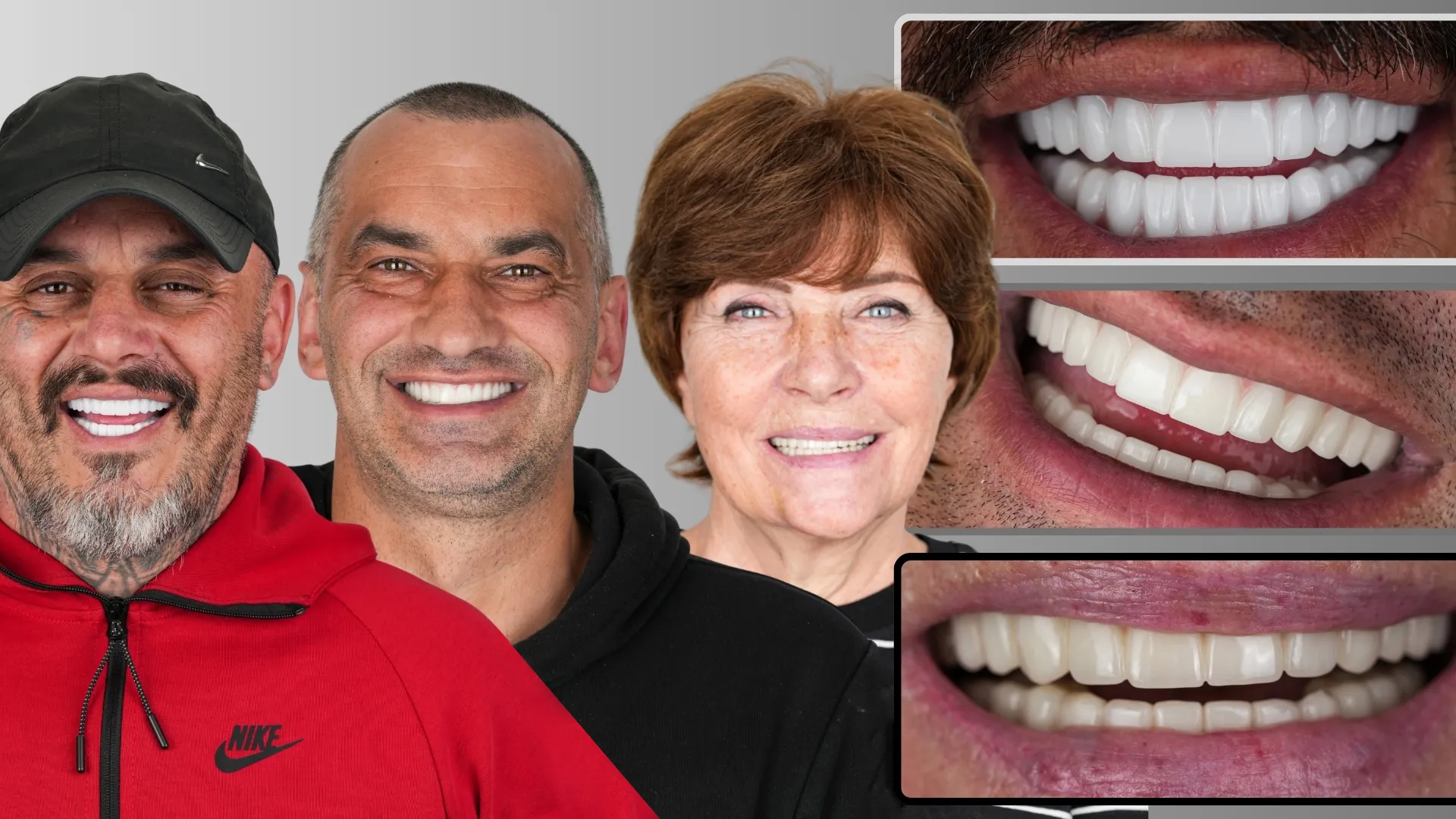
Porcelain veneers are thin, custom-made shells bonded to the front of teeth. They can change a tooth’s colour or shape. Emax laminate veneers are one example.
Which Dental Concerns Can Each Option Address?
Both treatments can address some of the same concerns. The choice depends on the size of the area you want to change and the condition of the tooth.
When Is Composite Bonding Used?
Bonding may suit small chips, narrow gaps and minor differences in the shape or size of front teeth. It can also cover some localised discolouration.
When Are Porcelain Veneers Used?
Porcelain veneers may be considered for more extensive changes to the colour or shape of the front of a tooth. They can make slight irregularities in alignment less noticeable. More pronounced crowding or bite problems may need an orthodontic assessment first.
How Much Tooth Preparation Is Needed?
The dentist checks your teeth and gums before either treatment. If you have decay or gum disease, they will plan treatment for that first. The preparation needed depends on the treatment and the condition of your teeth.
Preparing Teeth for Bonding
Most bonding cases do not require enamel removal. The dentist prepares the surface so the resin can adhere. A small amount of reshaping may be needed, depending on the tooth’s shape and what you want to change.
Preparing Teeth for Porcelain Veneers
The dentist may remove a thin layer of enamel from the front of a tooth to make room for a veneer. The amount depends on the tooth’s shape and position and the planned thickness of the veneer. Some cases need very little preparation. Enamel that is removed cannot grow back.
Composite Bonding vs Veneers in Everyday Use
Staining, wear and the options for repair can make the differences more noticeable over time.
Composite Bonding Pros and Cons
The dentist can match the colour of the resin to your teeth and polish it for a natural finish. Tea, coffee and tobacco can leave stains over time. Bonding can also wear or chip. The dentist can often repair small areas of damage by adding resin.
Porcelain Veneers Pros and Cons
Porcelain veneers can give a natural-looking finish and are generally more resistant to staining than composite resin. They may also last longer than bonding. If a veneer chips or breaks, the size and position of the damage help determine whether it can be repaired or needs replacing.
How Long Does Composite Bonding Last?
Bonding can often last for several years. Its lifespan depends on the size of the restoration, how much pressure the tooth takes when you bite and how well you look after your teeth. At check-ups, your dentist can assess whether the resin needs polishing, repair or replacement.
Habits That Can Shorten the Life of Bonding
Biting your nails, chewing ice or using your teeth as tools can damage the resin. Clenching or grinding can also put extra pressure on the treated tooth.
Treatment Appointments and Aftercare
Bonding can usually be completed in one appointment. The dentist applies and shapes the resin, hardens it with a curing light, then polishes the surface.
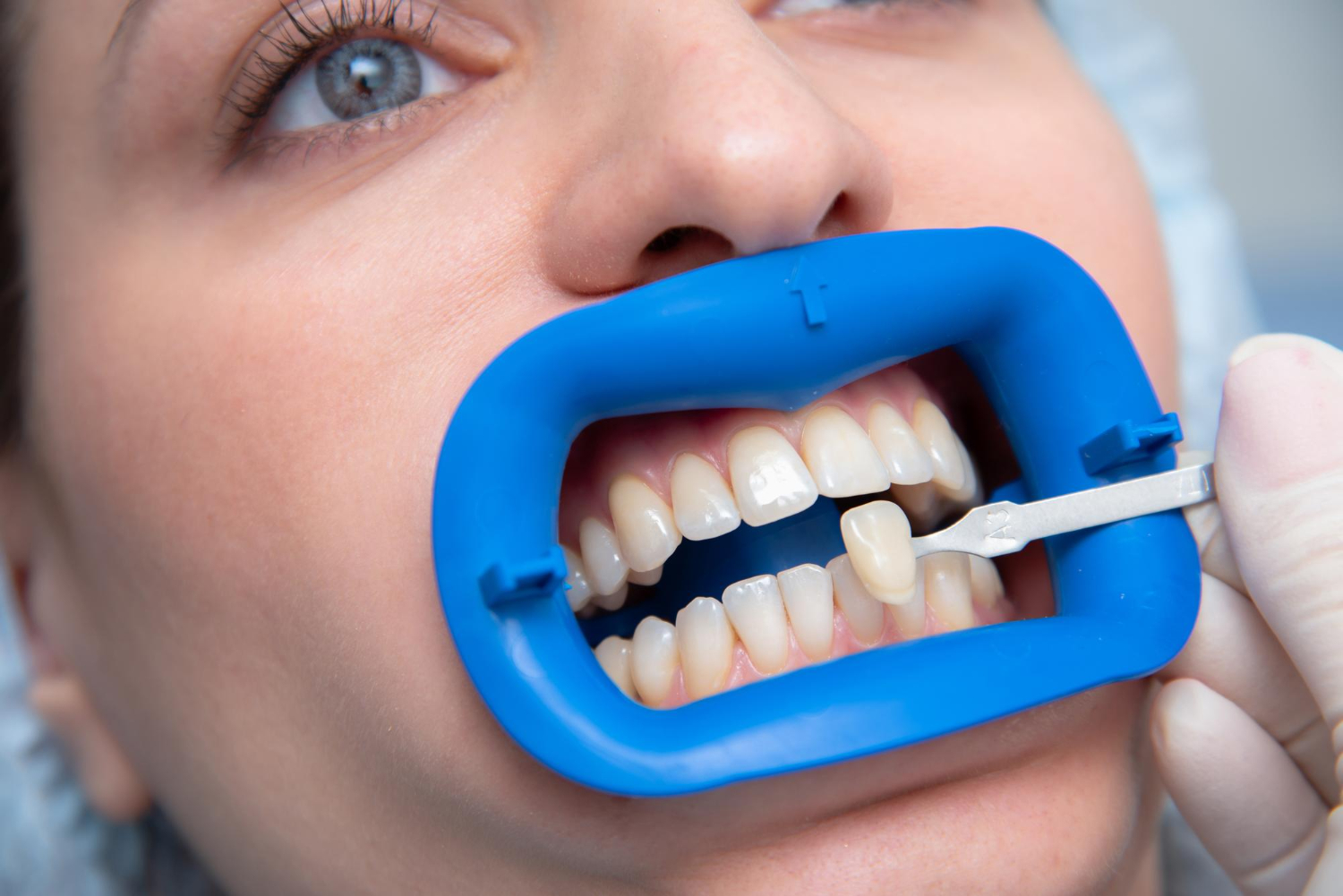
Porcelain veneers usually take more than one appointment. After preparing the teeth, the dentist takes impressions. A temporary restoration may be fitted while the lab makes the veneers. When they are ready, the dentist checks their colour and fit before bonding them in place.
After either treatment, brush twice a day with fluoride toothpaste and clean between your teeth daily. Regular check-ups let your dentist monitor your teeth and the restoration. Tell your dentist if you clench or grind your teeth.
What Affects the Cost of Bonding vs Veneers?
The cost depends on the number of teeth being treated, the material and how much preparation is needed. Bonding may cost less initially because the resin is usually applied directly to the tooth without laboratory work. For porcelain veneers, impressions, laboratory work and fitting also affect the price.
When comparing fees, consider ongoing care and the cost of any repairs or replacement as well as the initial treatment.
Should You Choose Dental Bonding or Veneers?
Bonding may be enough to repair a small chip or make a minor change to a tooth’s shape. Porcelain veneers may suit a more extensive change to the colour and shape of the front of your teeth.
If you are weighing up composite bonding vs veneers, ask your dentist how much preparation each option would involve. They will check your teeth and gums, assess your bite and ask whether you clench or grind your teeth.
Frequently Asked Questions
How does bonding differ from porcelain veneers?
Bonding uses tooth-coloured resin shaped directly on the tooth. A porcelain veneer is a thin shell made to fit the front surface. That difference affects the amount of tooth preparation, the number of appointments and how damage can be repaired.
Does composite bonding require enamel removal?
Most cases can be treated without removing enamel. The dentist prepares the surface to help the resin adhere. A small area may need reshaping, depending on the tooth and the planned result.
What are the advantages and disadvantages of bonding?
Bonding can usually be done in one visit, and small chips can often be repaired. Composite resin is more prone to staining than porcelain. Over time, it may need polishing or replacement.
Can a chipped porcelain veneer be repaired?
Your dentist checks the size and position of the chip and whether the veneer is still firmly attached. Some chips can be repaired. More extensive damage or a poor fit may mean the veneer needs replacing.
What determines the price of bonding and veneers?
The fee depends on the number of teeth, the material and the preparation needed. Porcelain veneers also involve laboratory work and fitting. Your dentist can give you an individual estimate after examining your teeth and planning the treatment.