Zirconium & Emax Crowns
Natural Aesthetics and Long-Term Function
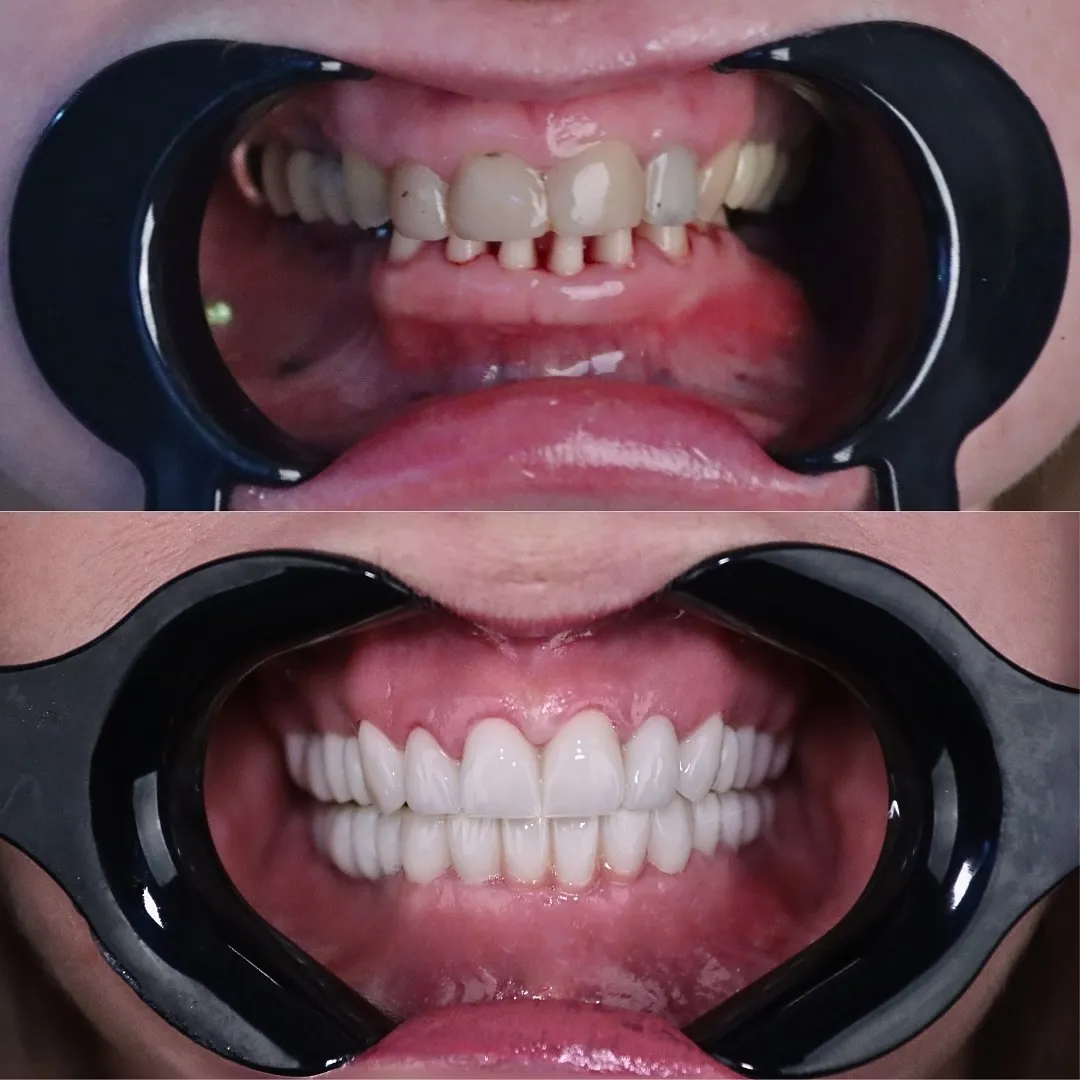
Zirconium and Emax crowns are advanced restorative solutions in modern dentistry, combining aesthetics, durability, and biocompatibility. Thanks to their metal-free structure, these crowns achieve results that are closest to natural teeth while aiming for long-term, stable use.
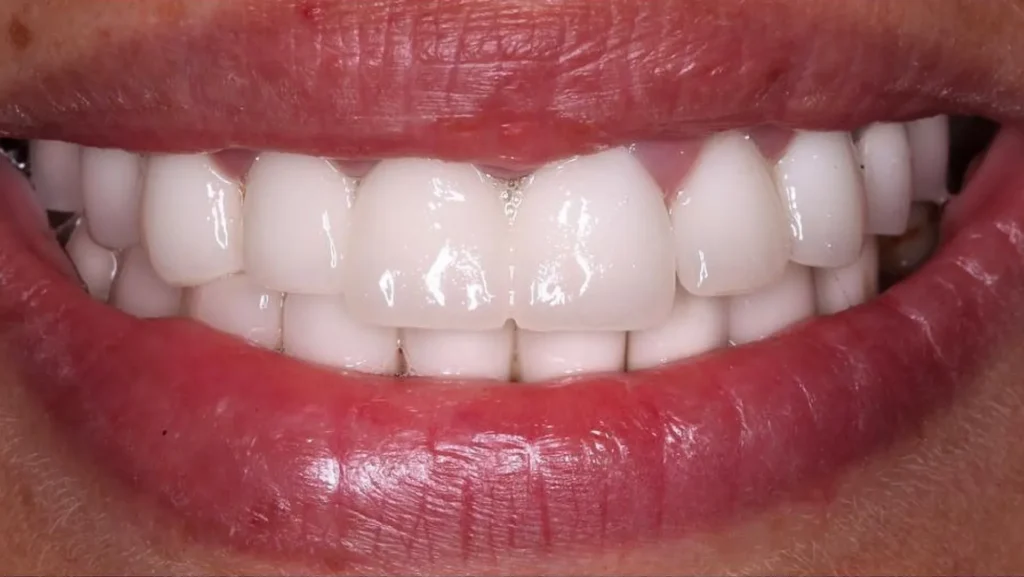
What Is a Zirconium Crown?
A zirconium crown is a ceramic system with a high-strength substructure that provides superior resistance to chewing forces.
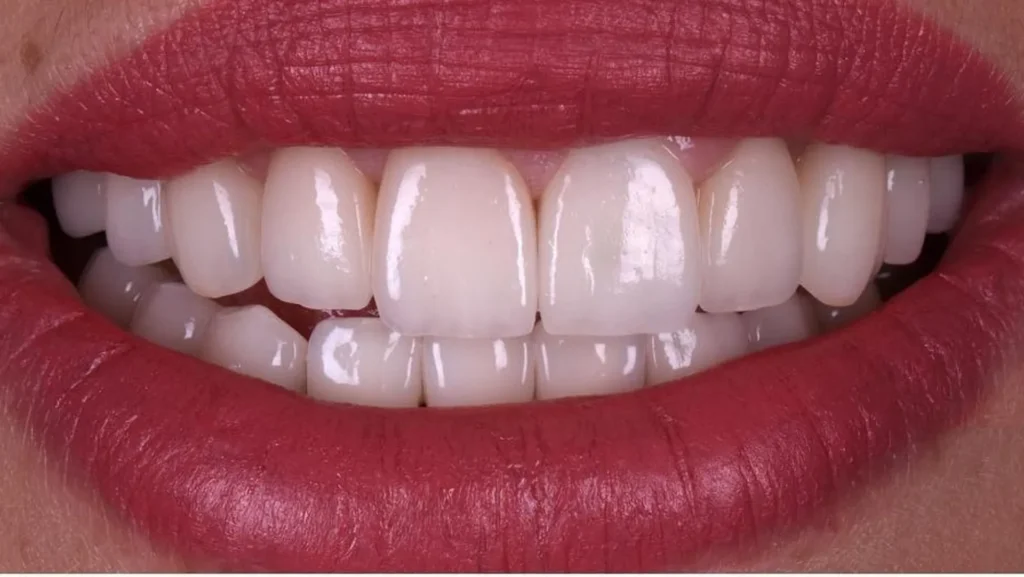
What Is an Emax Crown?
An Emax crown features a glass-ceramic substructure with high light translucency and is preferred in cases with maximum aesthetic expectations.
Both crown types are compatible with natural tooth structure and support natural aesthetics.

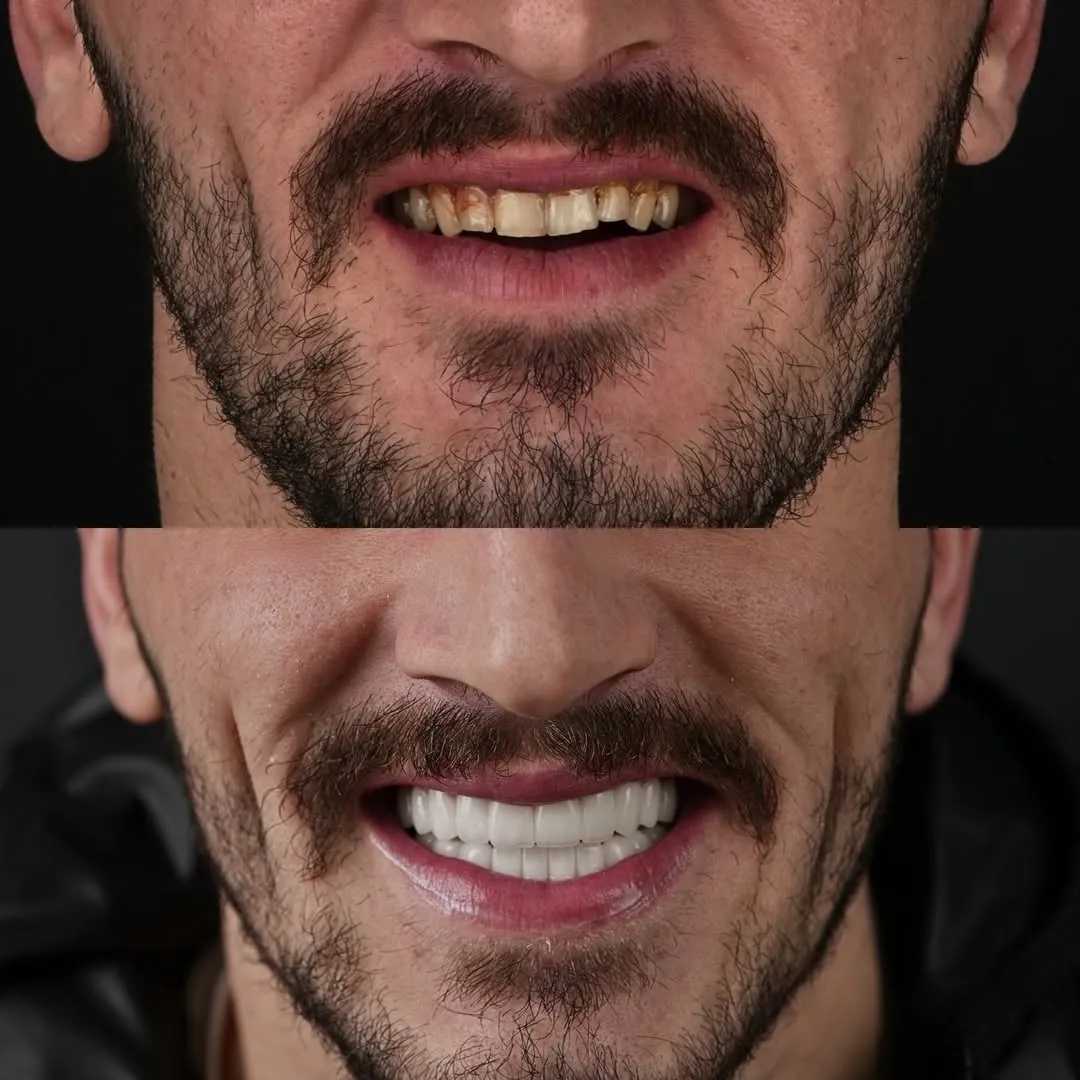
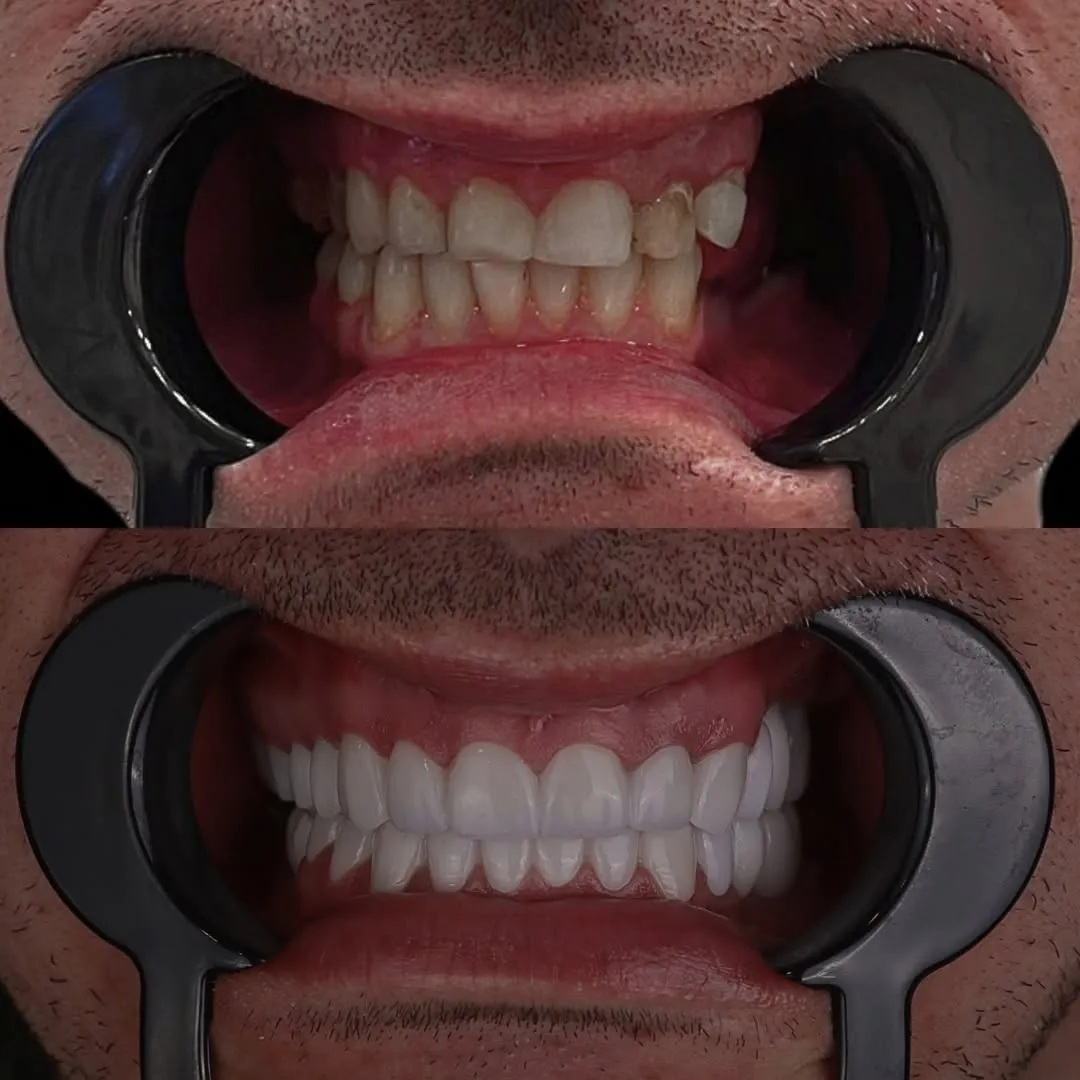
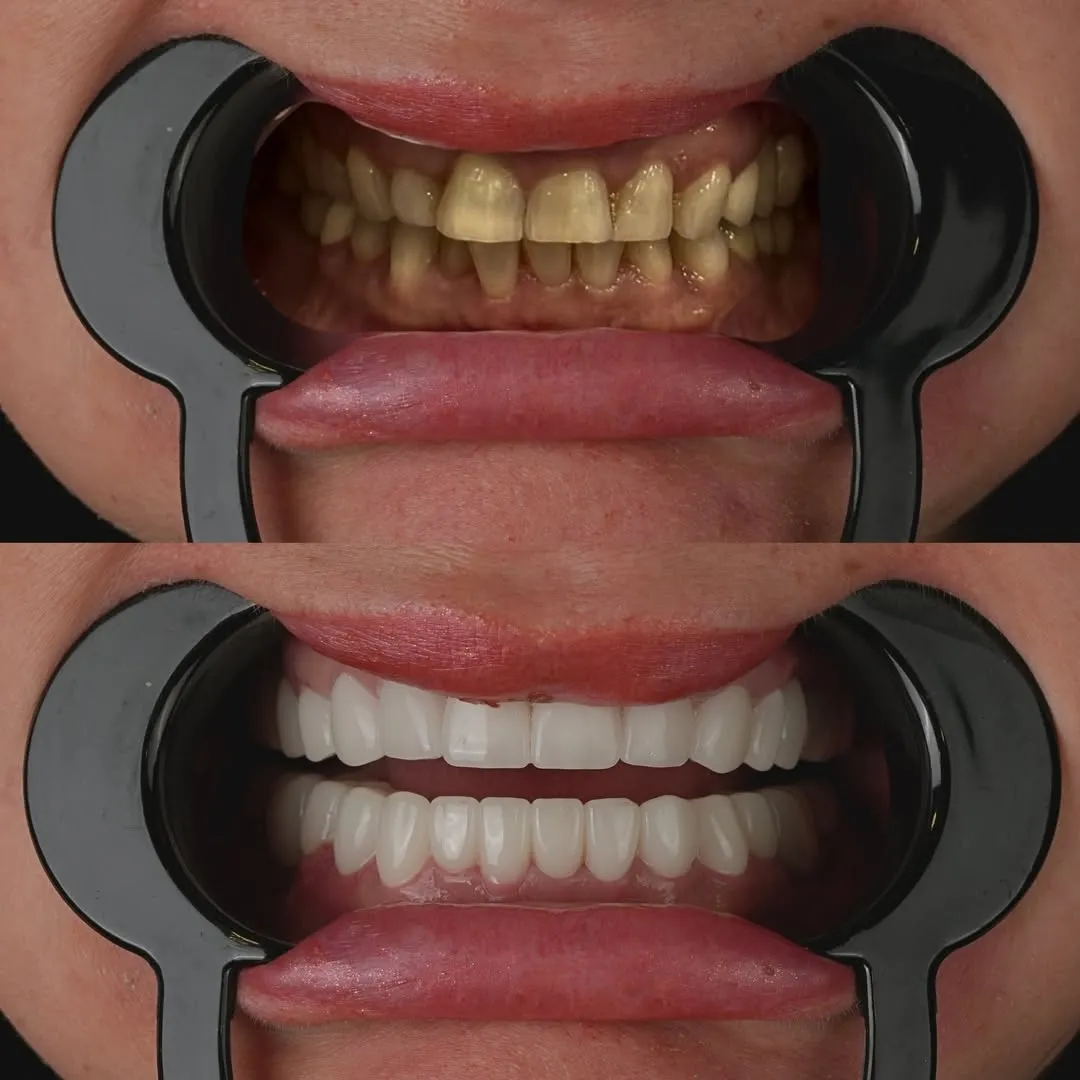
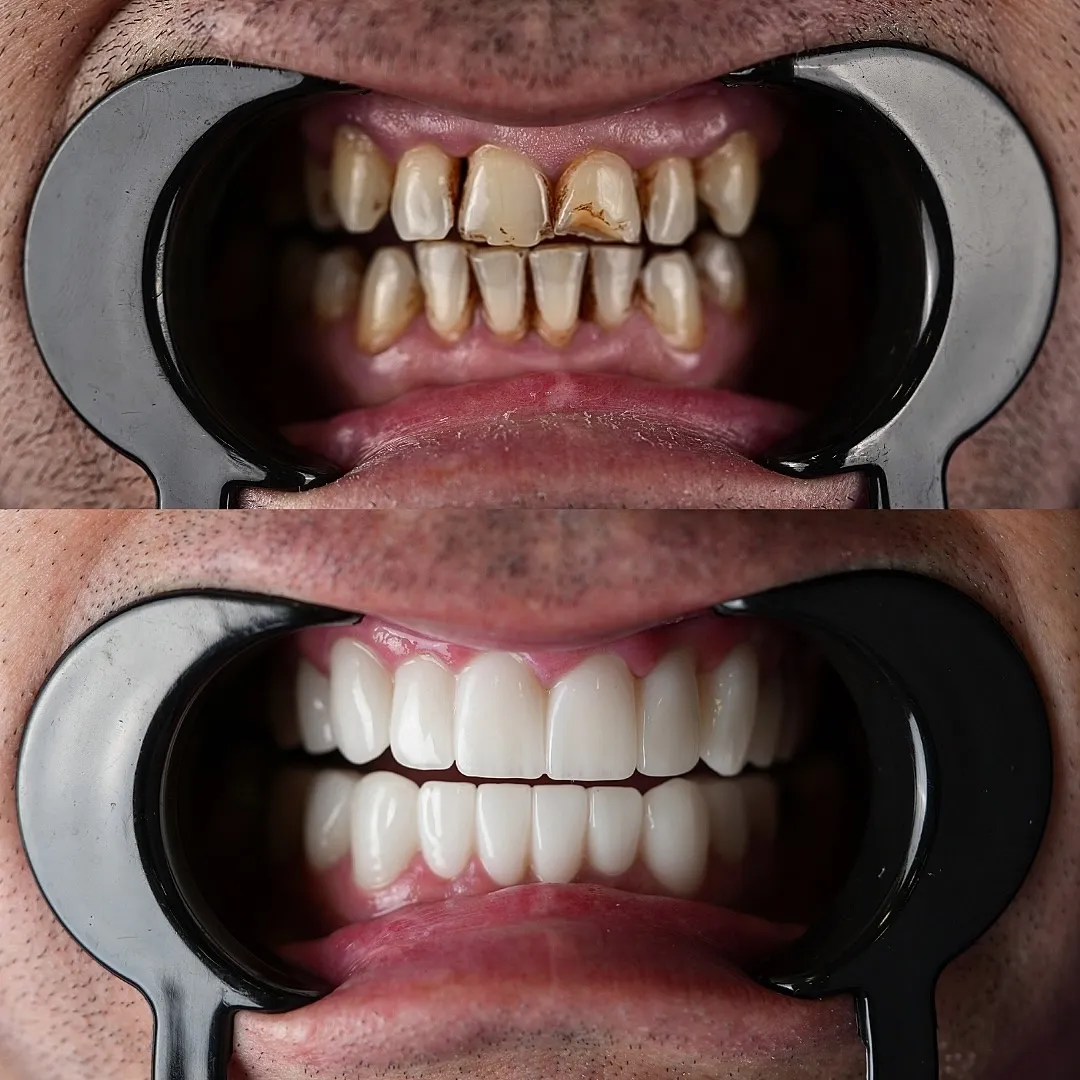
Grande Smile Effect
In Which Situations Are Dental Crowns Preferred?
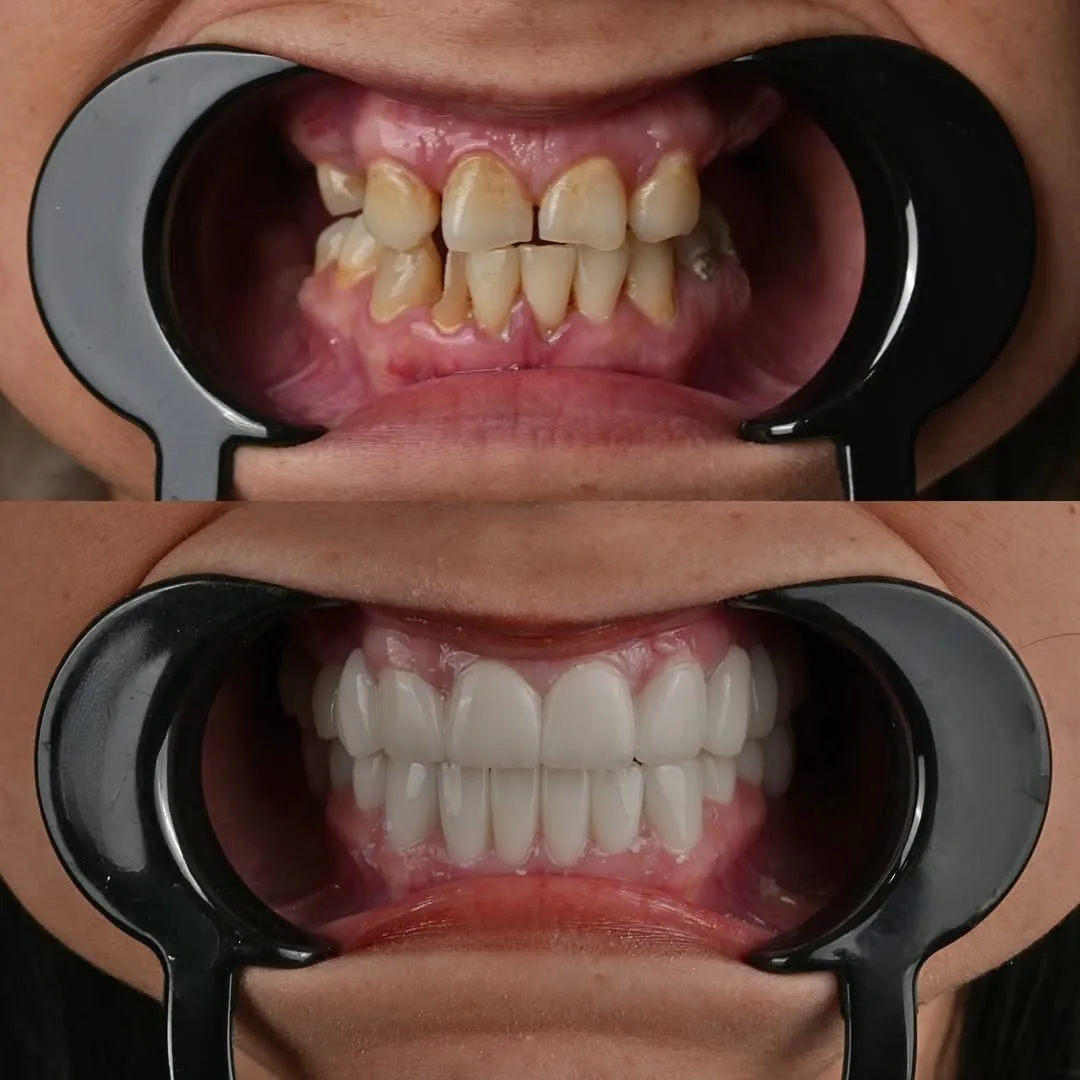
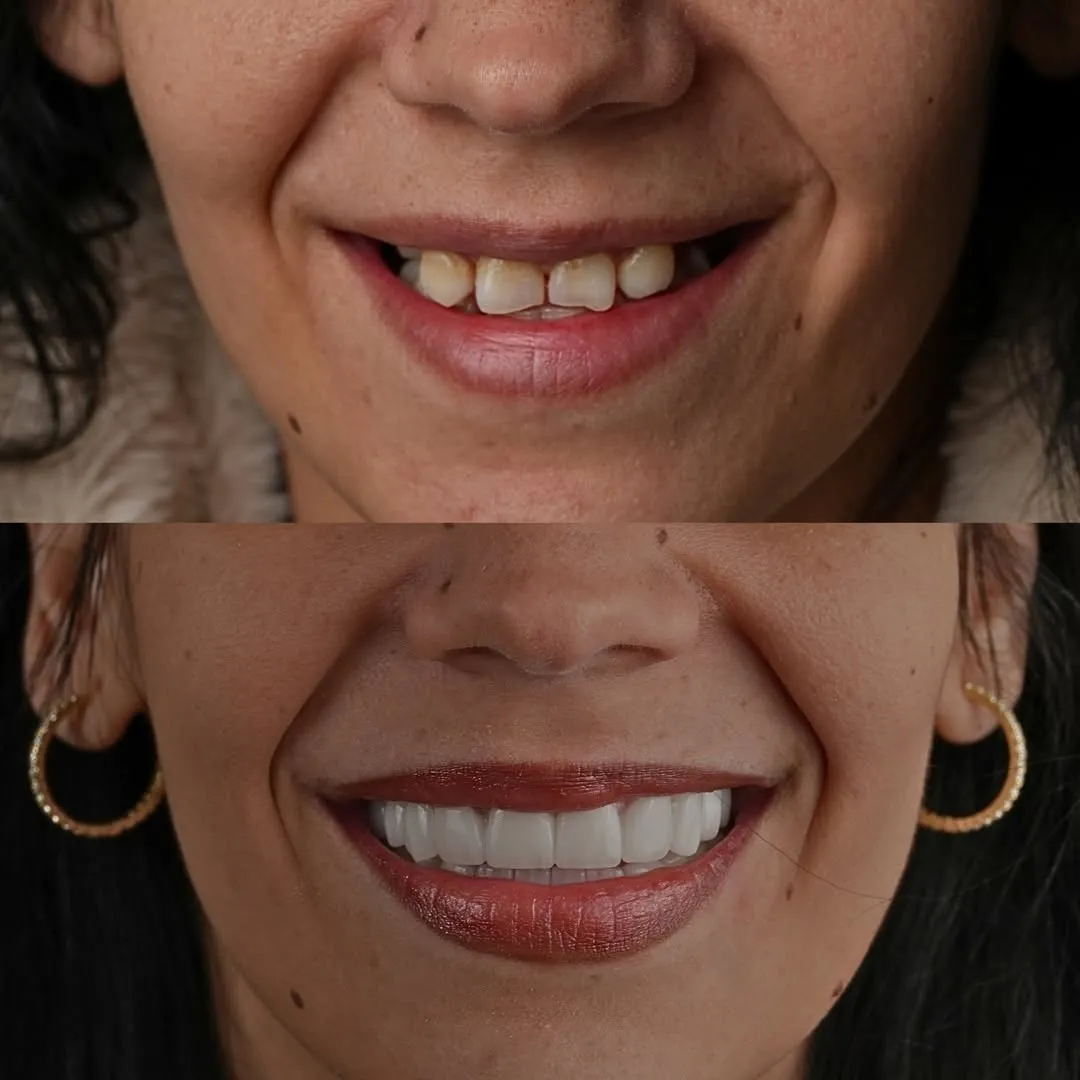
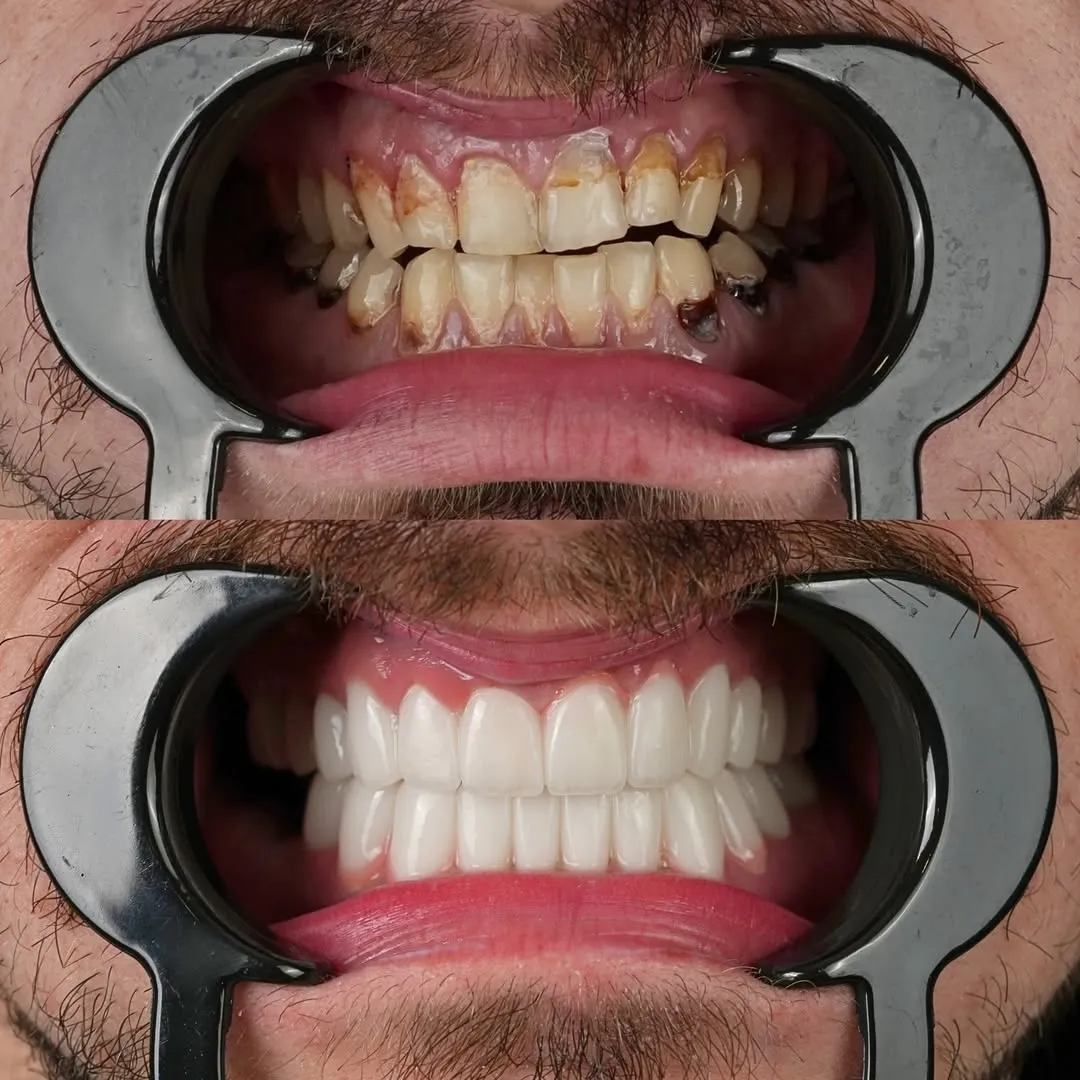
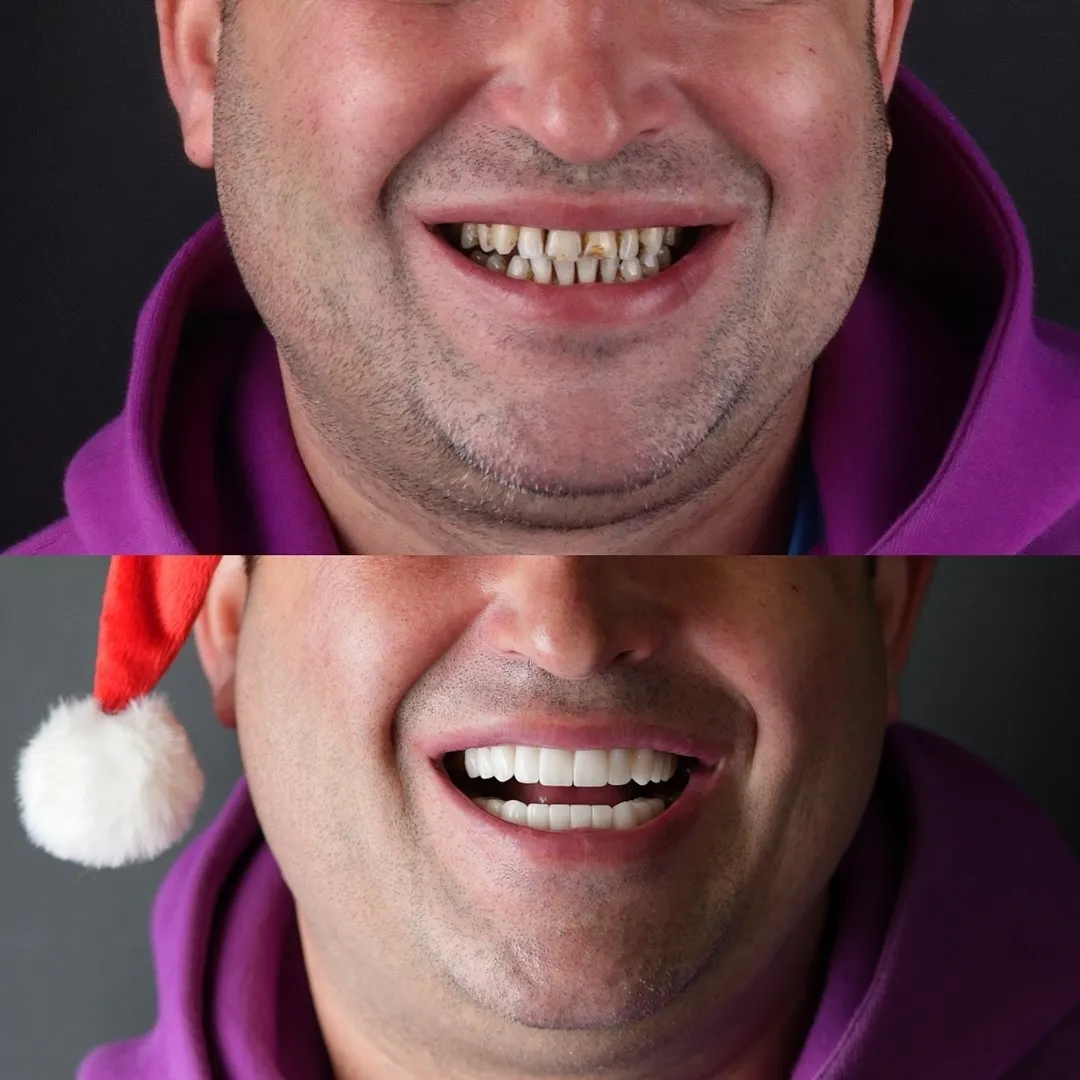
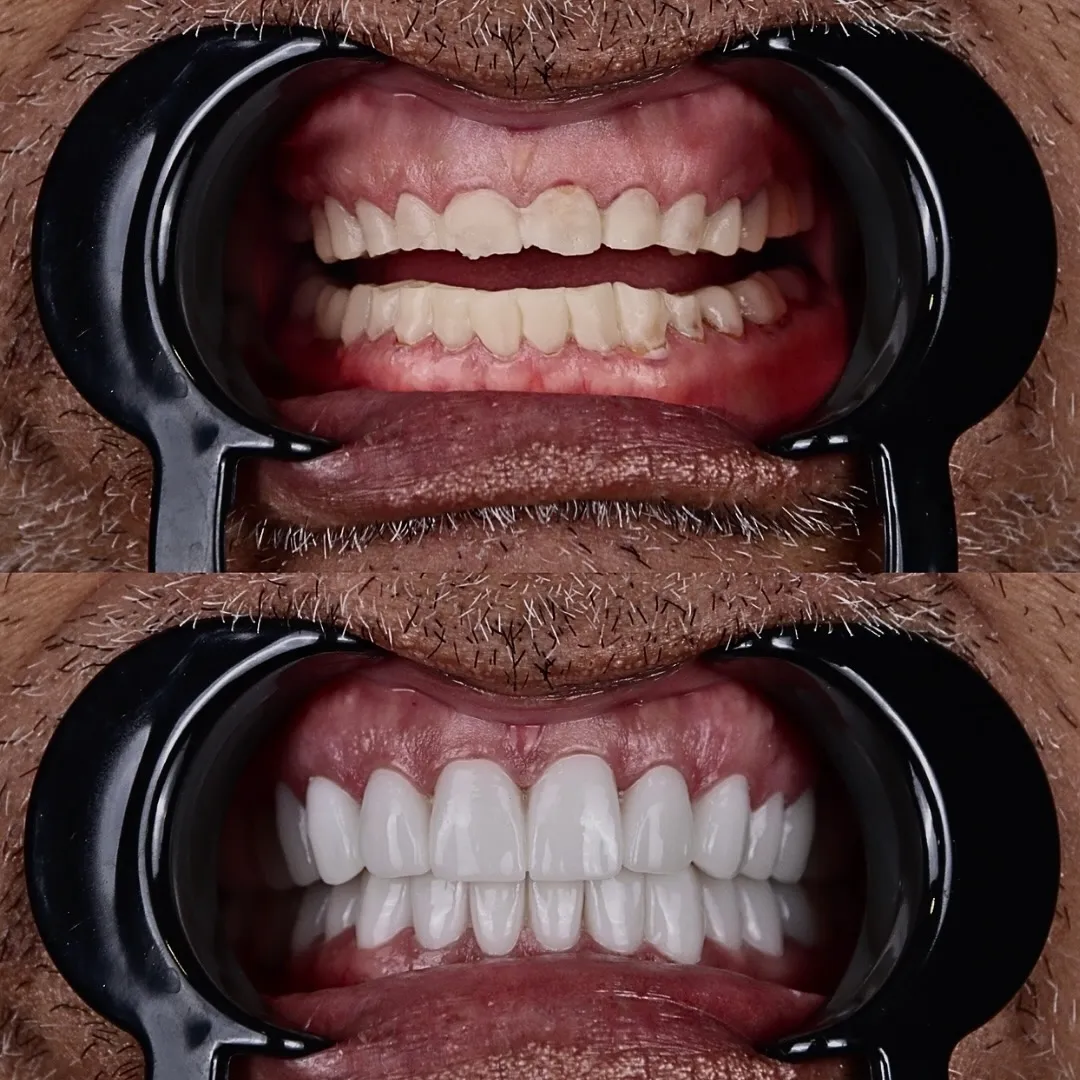
Zirconium and Emax crowns are frequently chosen not only for functional needs but also purely for aesthetic expectations. For patients dissatisfied with tooth color, shape, or alignment, they deliver high aesthetic outcomes with minimal intervention.
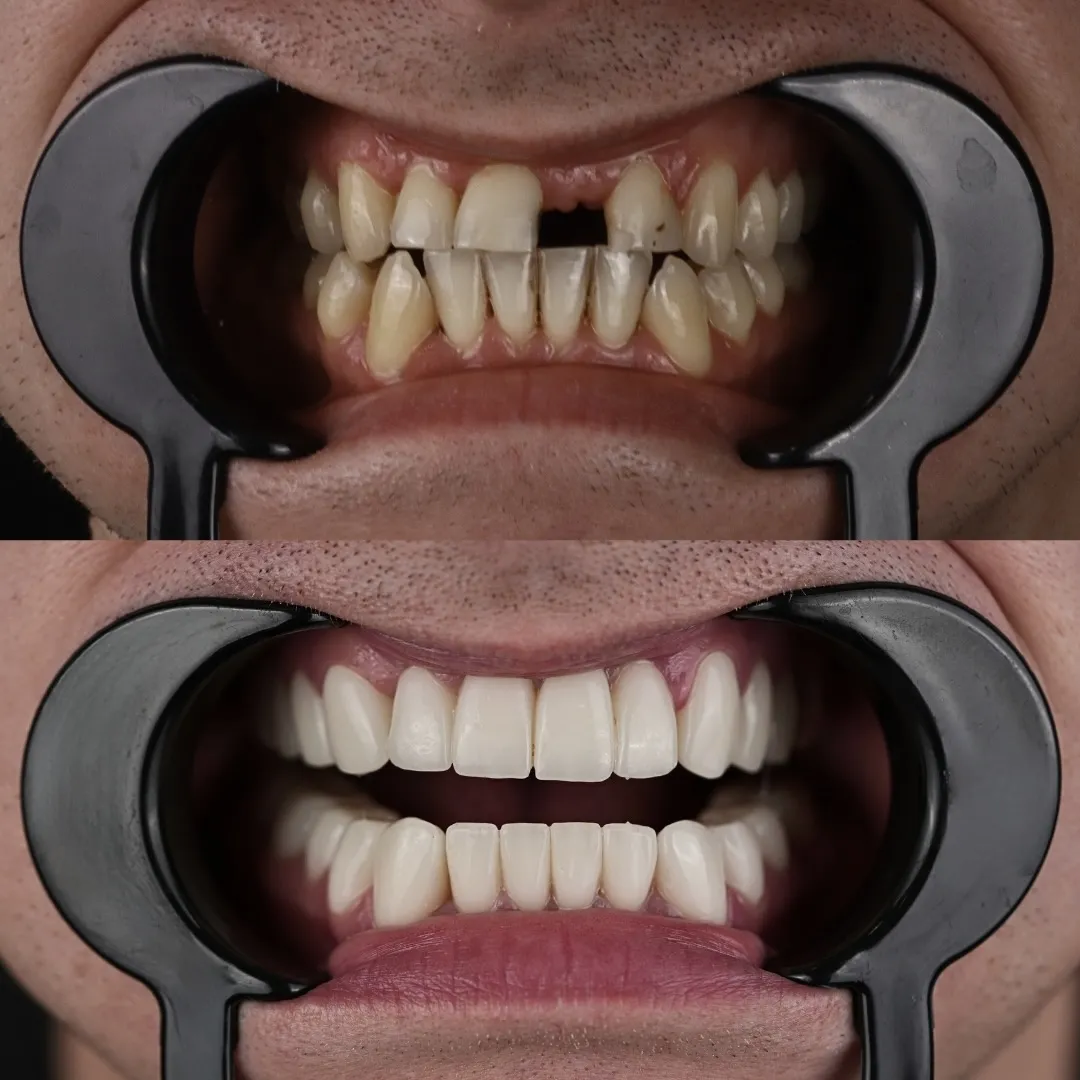
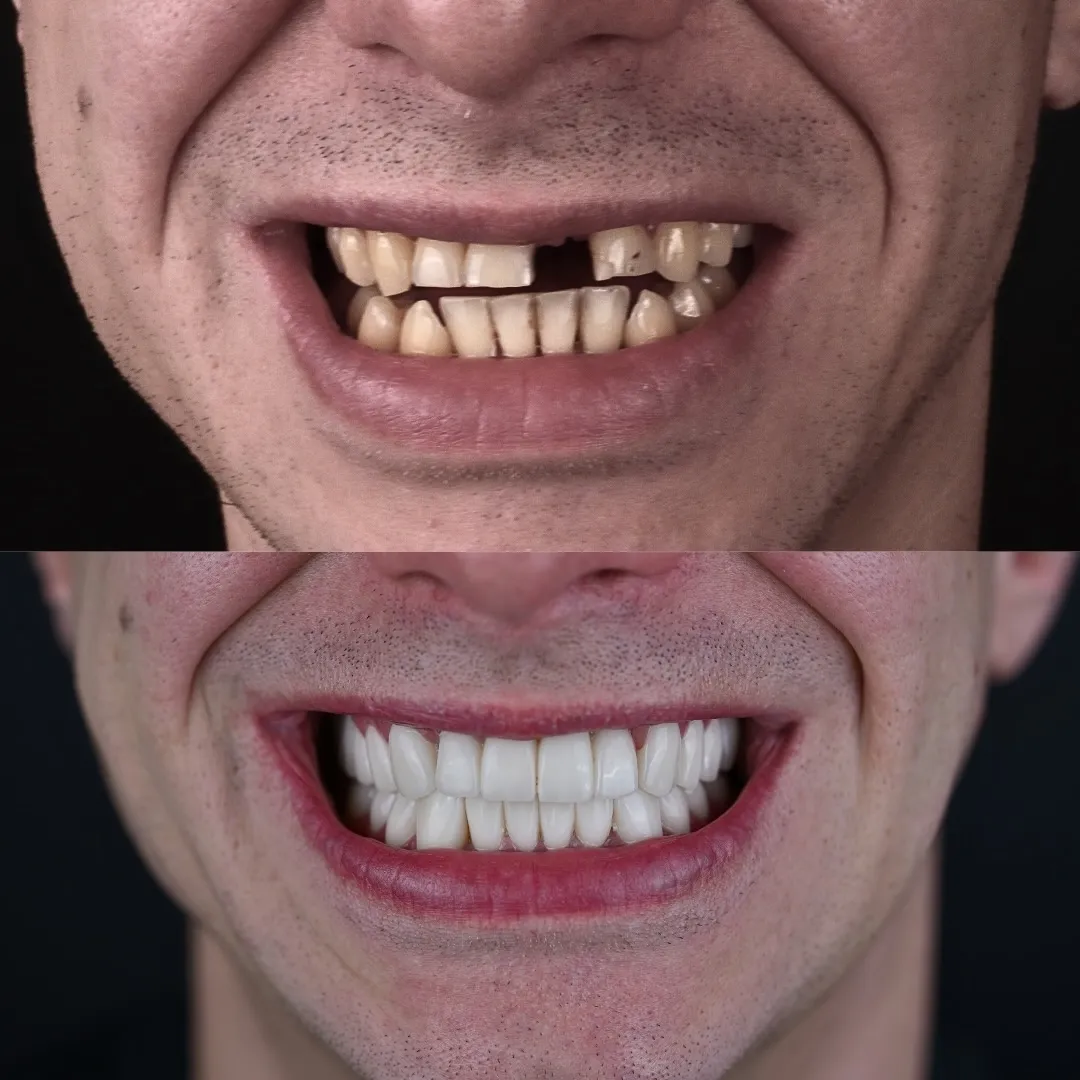
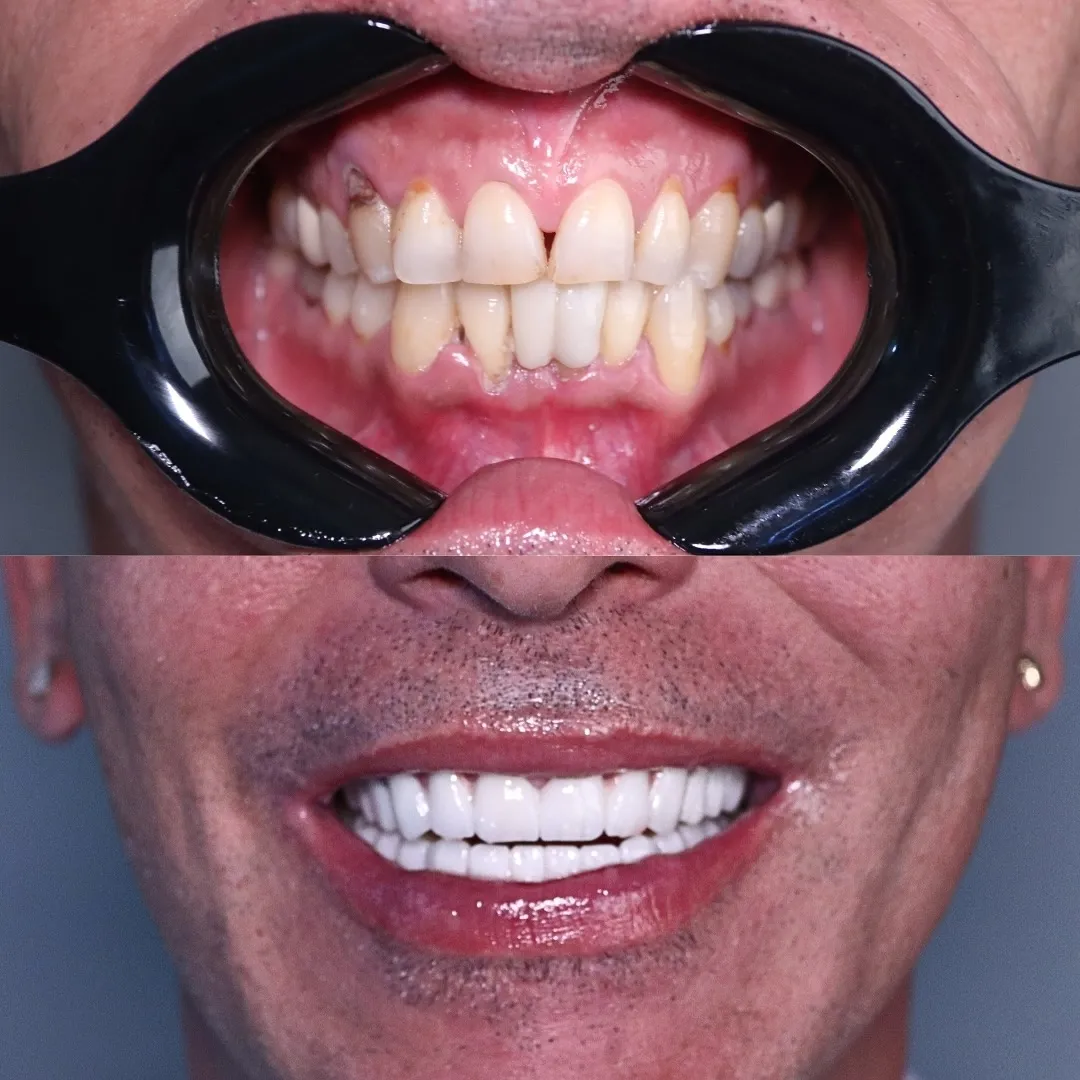
In cases of discolouration, spacing, shape irregularities, or teeth that negatively affect smile aesthetics, zirconium or Emax crowns can be applied for aesthetic purposes even without tooth loss. This approach, within the scope of smile design, aims for a natural and balanced appearance.
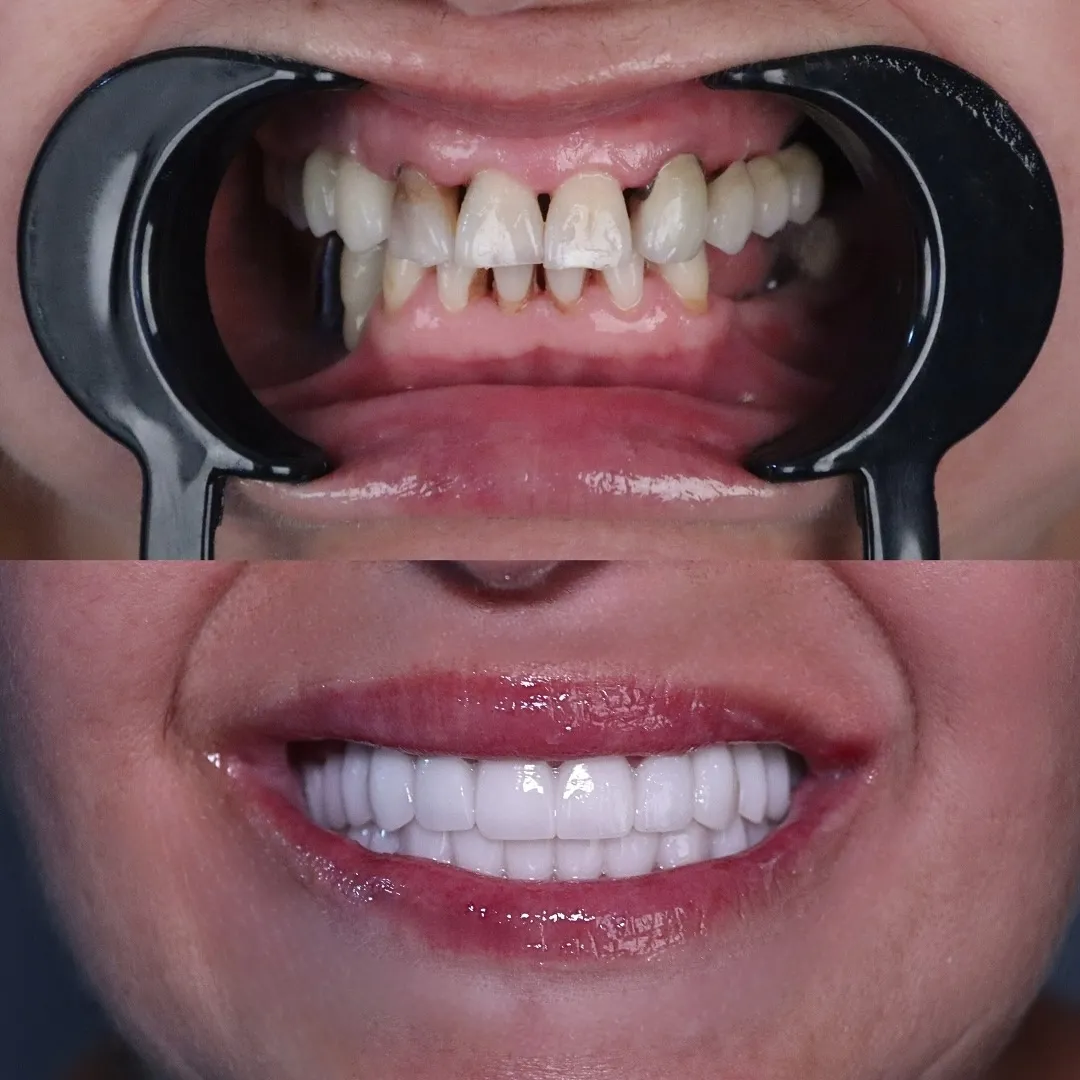
For single or multiple missing teeth, zirconium or Emax bridge crowns can be planned using adjacent teeth as support. This method restores chewing function while maintaining aesthetic integrity.
Zirconium and Emax crowns are safely applied as fixed restorations on dental implants. They are suitable for a wide range of indications, from single-tooth implant crowns to multi-implant-supported fixed prostheses.
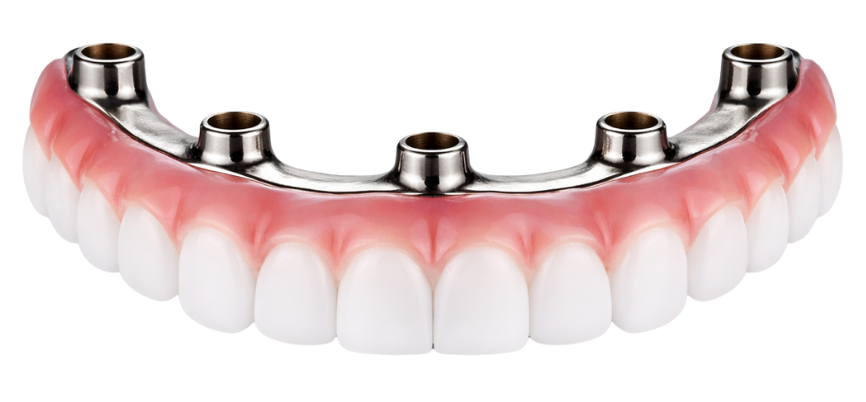
Titanium Bar (iBar) Systems
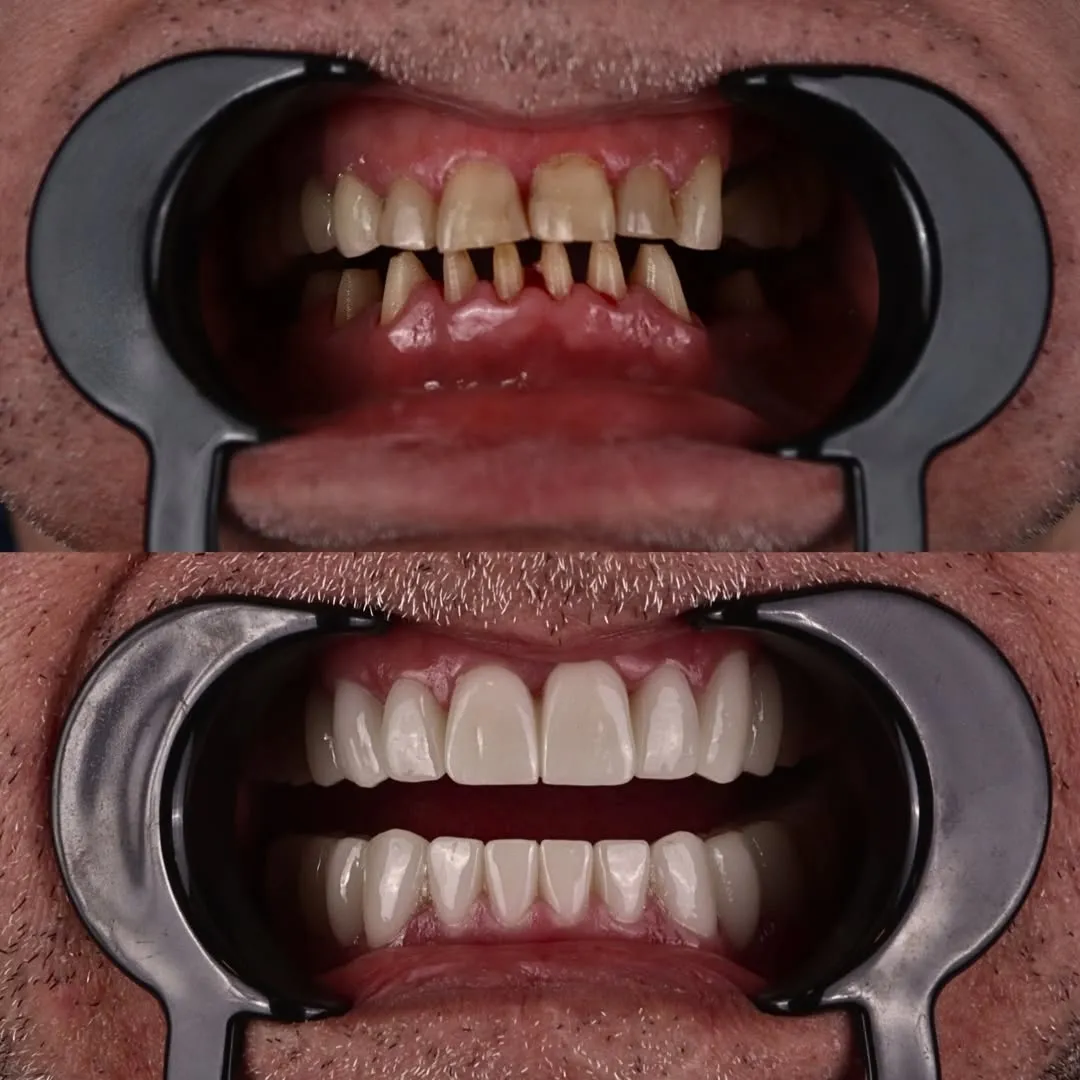
Also known as iBar systems, titanium bars unite multiple implants into a single framework in complex cases. When combined with zirconium superstructures, they provide high stability and long-term durability.
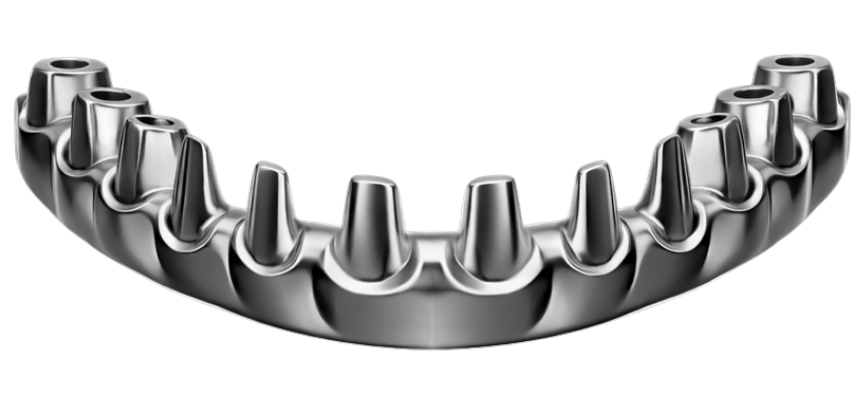
Toronto Titanium Bar
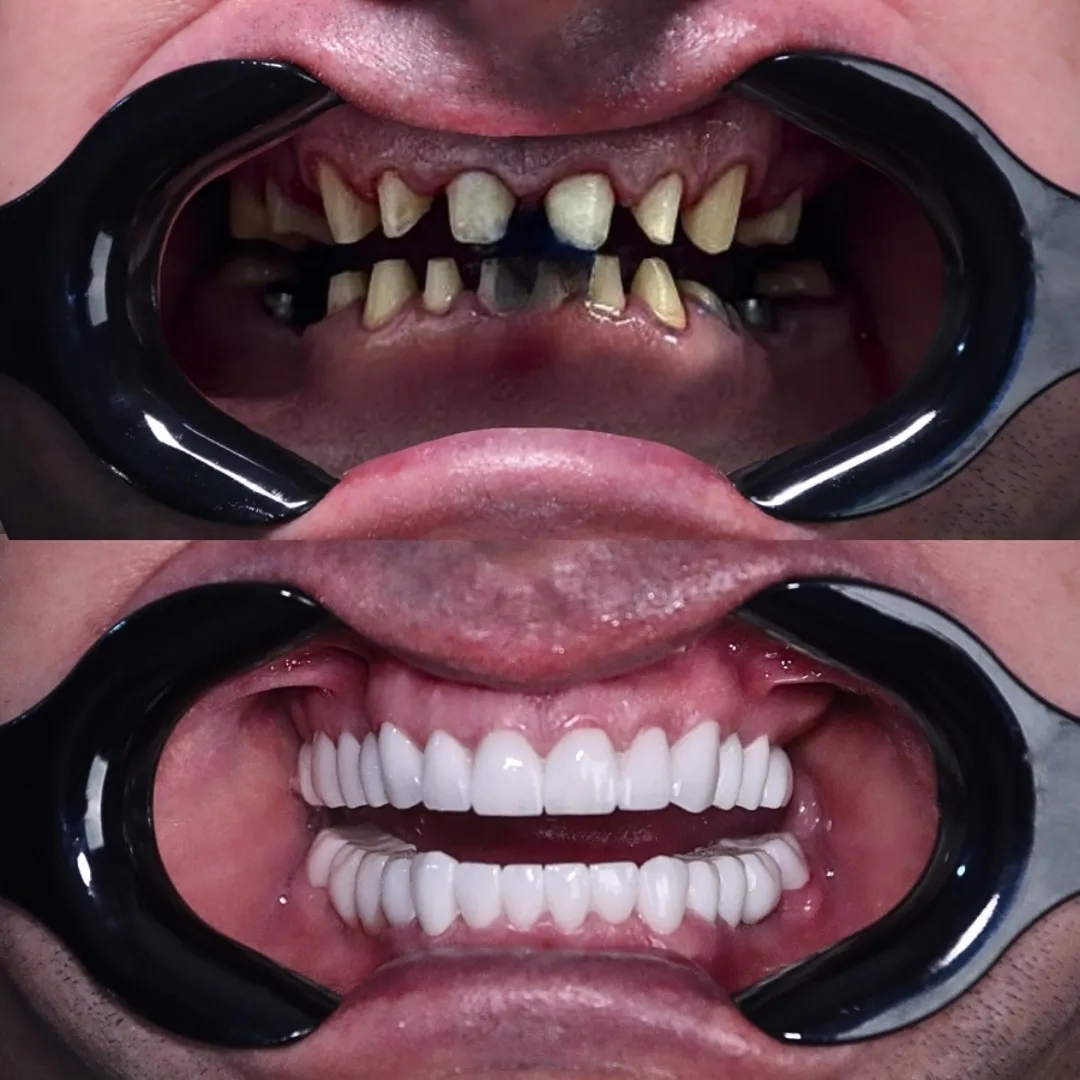
The Toronto titanium bar system is preferred, especially for full-arch fixed rehabilitations. A zirconium superstructure placed over the titanium bar delivers superior aesthetic and functional outcomes.

Made in Switzerland World-Class Zirconium Manufacturer Aesthetic Excellence and Durability Combined
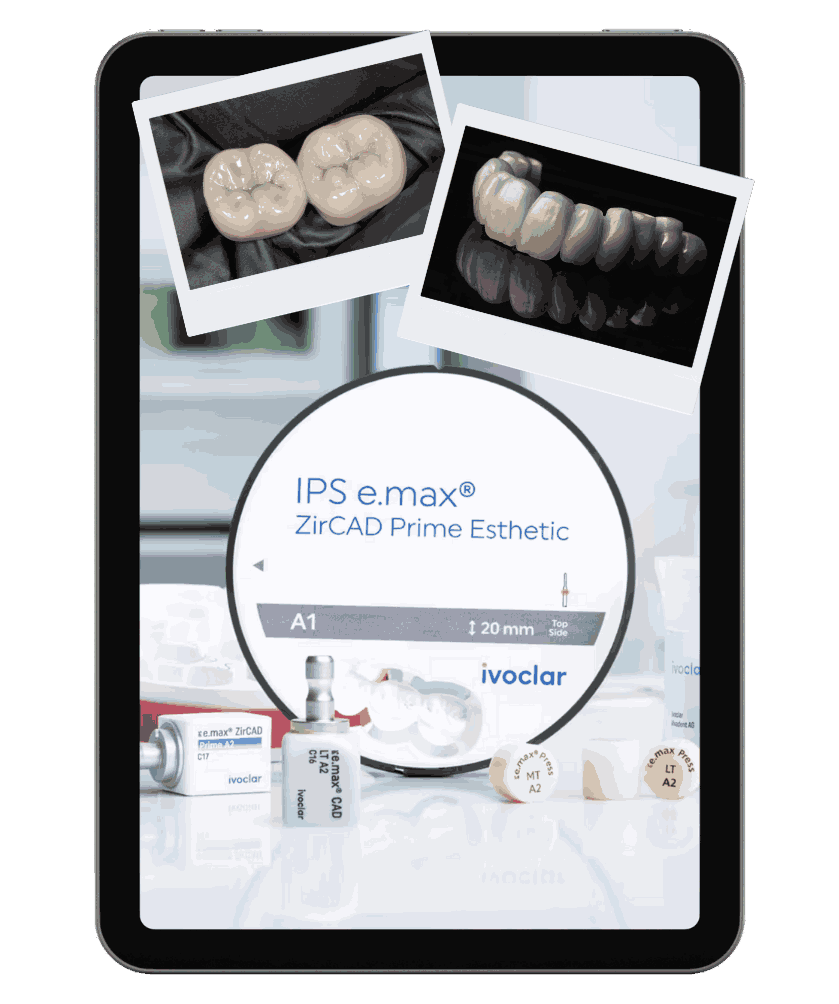
Ivoclar: Swiss-Origin Zirconium & Emax Manufacturer
Ivoclar is a globally recognised reference brand in dental ceramics. With high colour stability, natural light translucency, and a biocompatible structure, it delivers both aesthetics and durability in zirconium and Emax restorations.


How Does the Crown Treatment Process Progress?
Tooth Preparation
Teeth planned for crowns are contoured in a controlled manner while preserving natural tooth structure. The objective is precise fit and long-term biological balance.
Impression Taking and Laboratory Process
High precision is achieved using digital impression systems. Crowns are custom-fabricated in the laboratory using advanced Swiss-origin Ivoclar ceramic materials.
Zirconium & Emax Shade Guide and Tone Selection

Click the image to review shades.
Shade selection is a critical step to ensure harmony with natural teeth. The Ivoclar shade guide includes the BL (Bleach), A, B, C, and D series. BL shades are preferred for whiter, aesthetic-focused smiles, while the A-D series represent tones closest to natural dentition.
Tone selection is determined by evaluating existing tooth colour, skin tone, lip structure, and the patient’s aesthetic expectations together. The goal is a natural, balanced, and non-artificial result.
Digital Smile Design
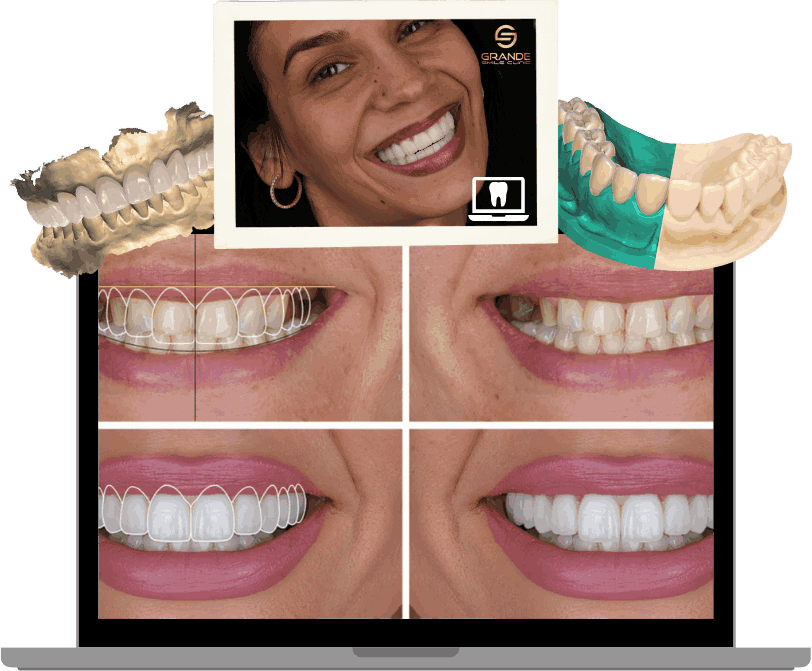
Digital Smile Design makes the aesthetic success of zirconium and Emax treatments predictable and controlled through modern planning. Facial features, lip structure, gingival levels, smile line, and tooth proportions are analysed digitally.
Using high-resolution photographs, videos, and intraoral scans, we create a personalised smile simulation. Planned tooth shape, size, and shade are visually presented to the patient before treatment. This allows clear evaluation of the expected outcome prior to completion.
Digital smile design aims not merely for white teeth but for a natural and harmonious aesthetic that aligns with facial features—enhancing both aesthetic satisfaction and functional accuracy.
Differences Between Zirconium Crowns and Metal-Porcelain Crowns
Zirconium Crowns
Natural and translucent
Metal-free
High gingival compatibility
High durability
Modern technology
Metal-Porcelain (Conventional System)
Opaque, limited aesthetics
Contains metal
Lower gingival compatibility, darkening over time
Moderate durability
Older generation technology
ℹ️ Due to its high fracture resistance, zirconium can be safely used in posterior teeth. Long-term clinical success lasts for years with proper application and regular care.
Oral Care After Crowns
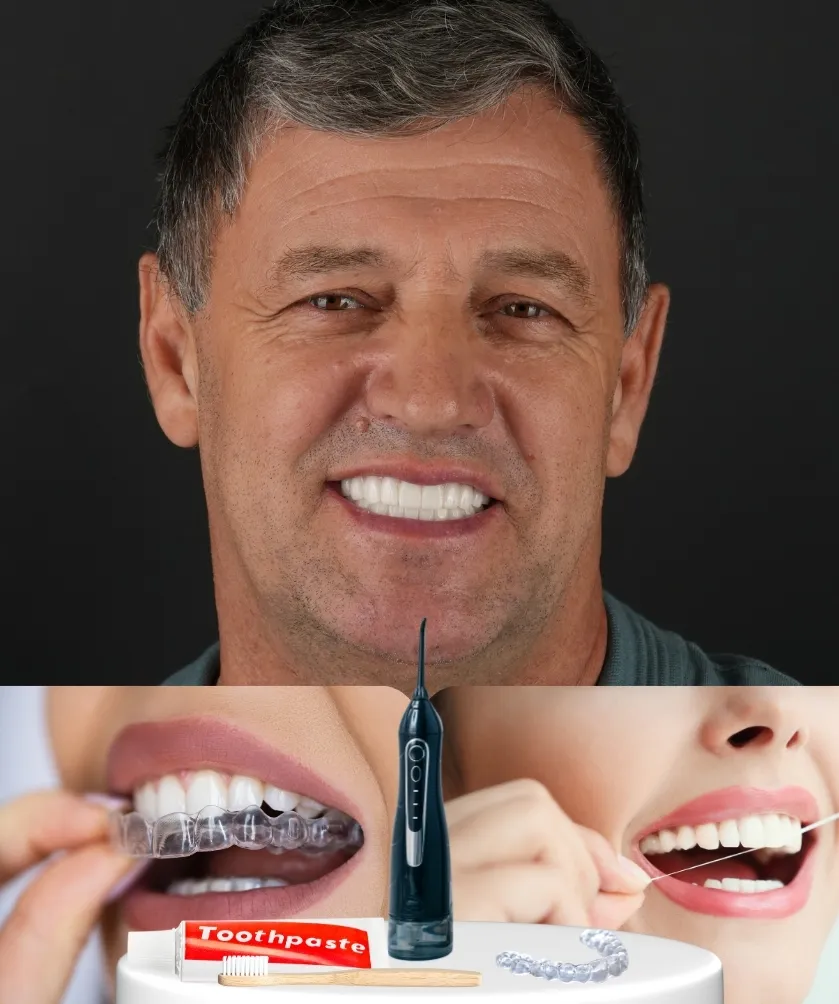
Post-treatment oral hygiene is essential for protecting both the crowns and the underlying natural teeth. Regular brushing, interdental cleaning, and routine dental check-ups should not be neglected.
Additionally, the use of an oral irrigator helps effectively remove plaque and food debris from beneath crowns and bridge areas. It is especially beneficial for zirconium bridges and implant-supported restorations.
Night guards are recommended for patients with teeth grinding or clenching (bruxism) to protect crowns from excessive forces. Night guard use extends the lifespan of restorations while safeguarding natural teeth and implant structures.
Risks of Neglected Care
Inadequate oral hygiene can lead to plaque and food accumulation beneath crowns. This may cause gingival problems, loss of crown function, damage to the underlying natural tooth, and even tooth loss.
Frequently Asked Questions
Which material is better, zirconium or Emax?
Neither material is universally better. Zirconia is often selected when greater strength or masking is needed, while Emax may be preferred for its high translucency and natural appearance in suitable cases. Your dentist will recommend the most appropriate material based on tooth position, bite, existing tooth structure and aesthetic goals.
How much tooth preparation is required?
The amount of tooth preparation depends on the selected restoration, the condition of your natural teeth and your desired result. Some treatments require minimal preparation, while others require more extensive reshaping. Your dentist will assess your teeth and explain the available options before treatment begins.
Can crowns be replaced in the future?
Yes, dental crowns can be replaced when clinically necessary. Their longevity depends on oral hygiene, bite forces, the condition of the supporting teeth and regular dental check-ups. If a crown becomes damaged, loose or worn, your dentist can evaluate it and determine whether replacement is appropriate.

