
Understanding and Maintaining Your Oral Health: A Guide to Tartar Removal
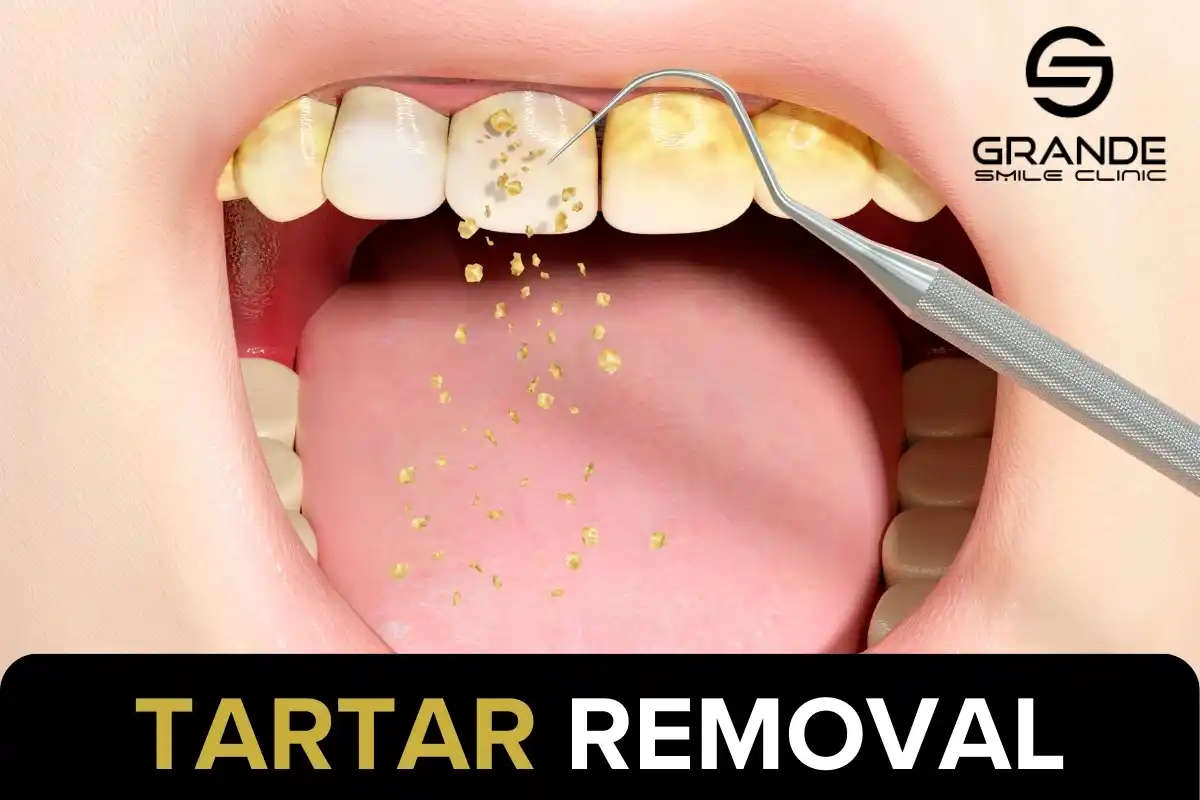
Denture care plays a crucial role in maintaining good oral hygiene. One of the most common concerns among people is tartar buildup. Tartar, also known as dental calculus, forms when plaque, a sticky film of bacteria, hardens on your teeth. If left untreated, it can lead to various oral health problems, such as gum disease, tooth decay, and even tooth loss. In this blog, we will explore everything you need to know about tartar removal, including its cost, risks, benefits, and post-treatment care.
What is Tartar Removal?
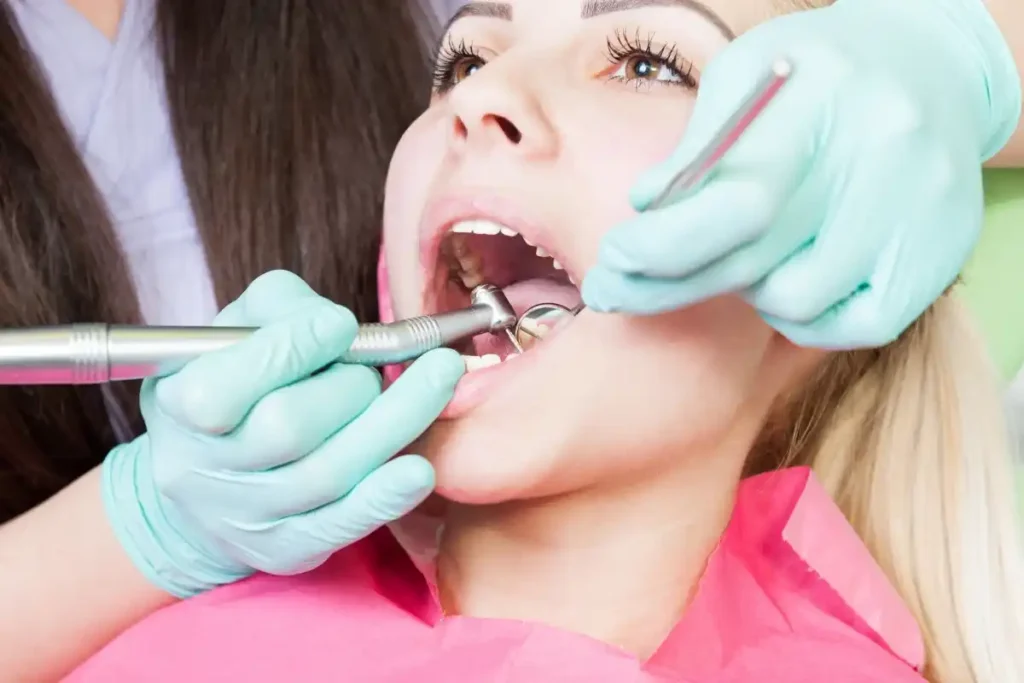
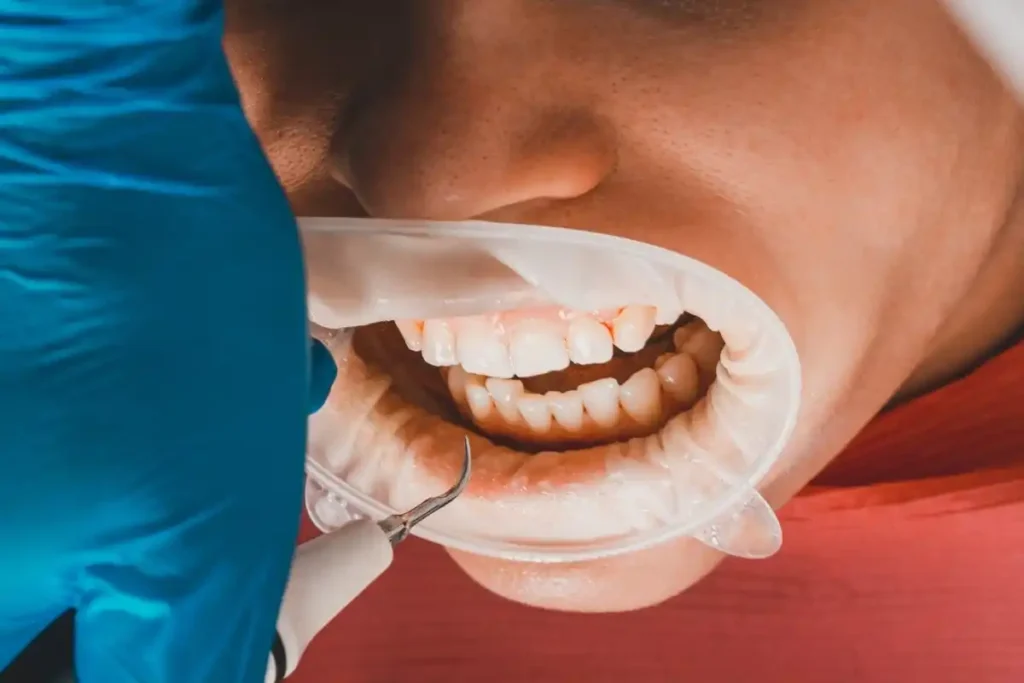
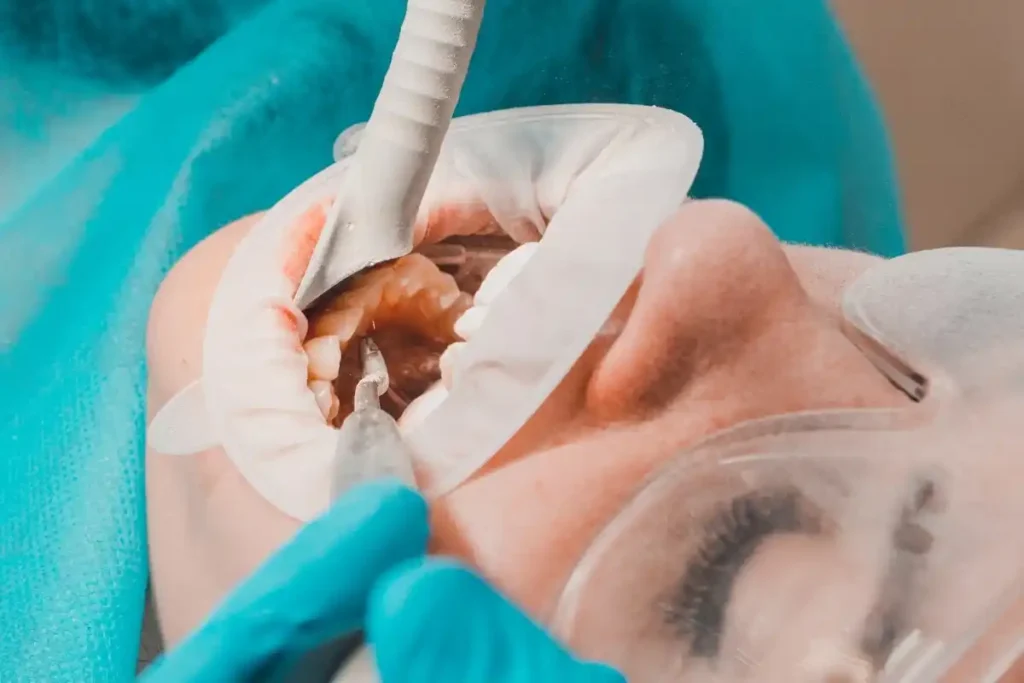
- Tartar removal is a professional dental cleaning procedure aimed at eliminating hardened plaque from your teeth.
- Tartar, also called dental calculus, forms by the accumulation of minerals from saliva and food particles that stick to your teeth.
How is Tartar Removed?
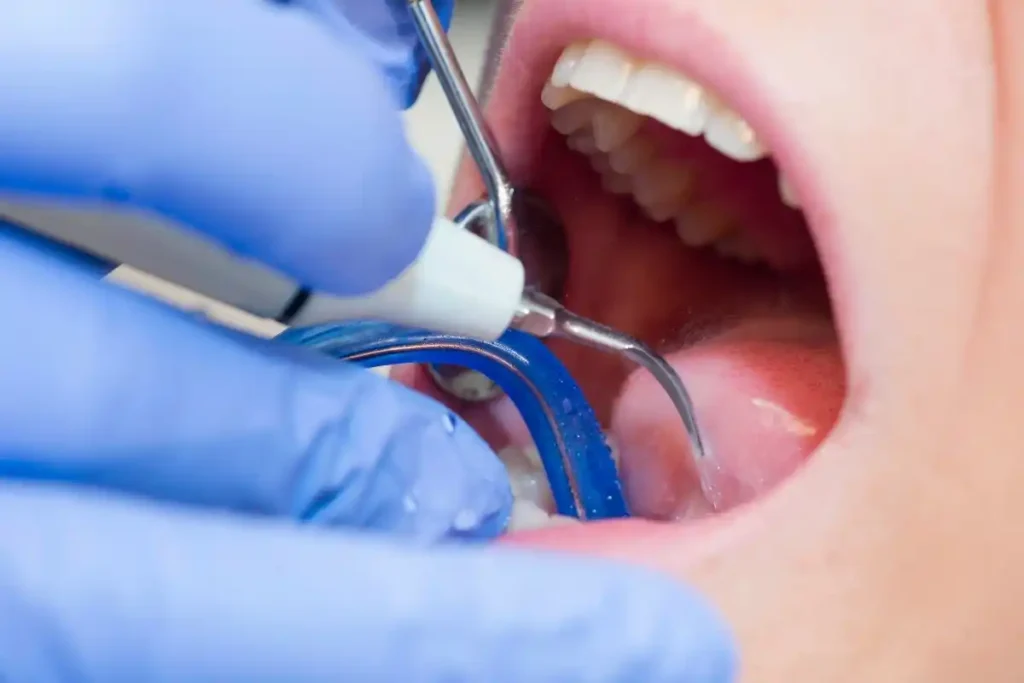
- Tartar removal is a professional dental cleaning procedure aimed at eliminating hardened plaque from your teeth.
- Tartar, also called dental calculus, forms by the accumulation of minerals from saliva and food particles that stick to your teeth.
What to Expect After Tartar Removal?
- After tartar removal, it is common to experience temporary sensitivity in your teeth.
- Maintaining regular oral hygiene habits, such as brushing twice a day and using dental floss, is essential to prevent future tartar buildup.
Benefits of Tartar Removal
- The primary benefit of tartar removal is improved oral health.
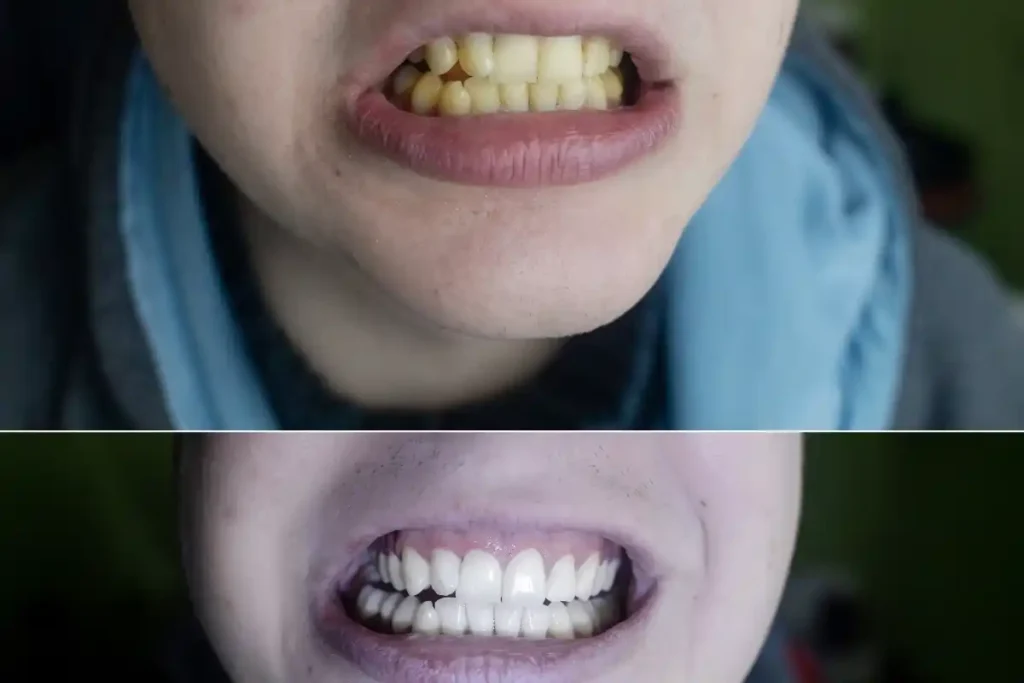
- Regular tartar cleanings help maintain healthy gums, prevent tooth loss, and contribute to a brighter, cleaner smile.
Is Tartar Removal Painful?
- Tartar removal is not painful.
- Most patients experience a mild scraping sensation during the procedure, but it does not cause significant pain.

How Often Should Tartar Removal Be Done?
- To maintain optimal oral health, tartar removal should be done approximately every 6 months.
- Delaying tartar removal can lead to more severe oral health issues, including gum inflammation and tooth loss.
Potential Risks of Not Removing Tartar
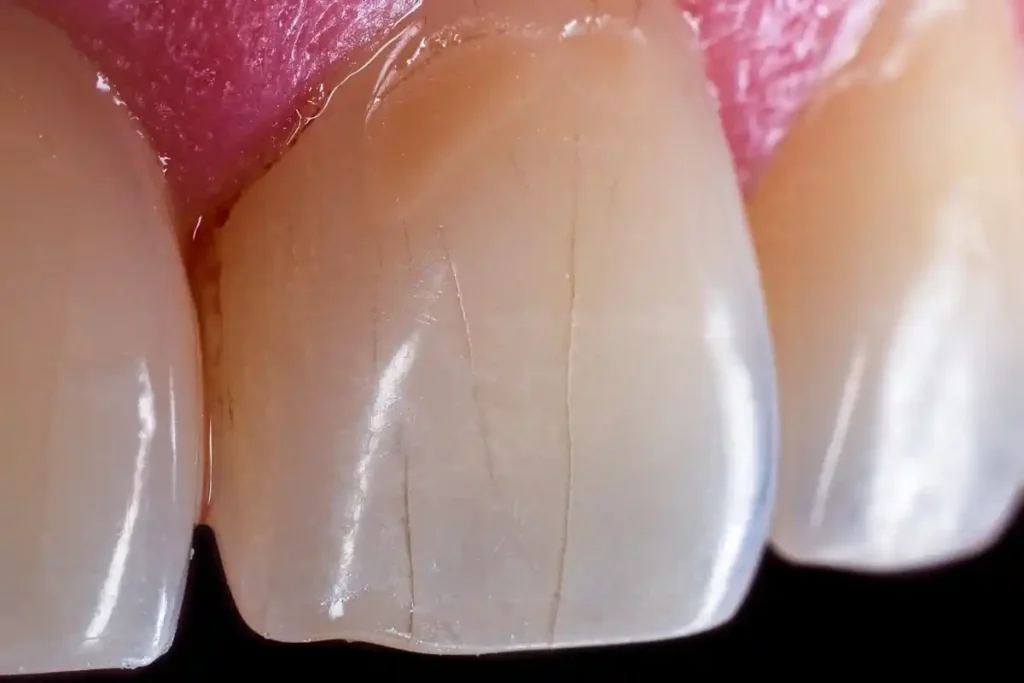
- Neglecting tartar removal can lead to gum disease, periodontal pockets, tooth decay, and bad breath.
Post-Treatment Care After Tartar Removal
- After your tartar removal session, it’s important to follow a few simple care tips:
- Avoid smoking and chewing gum for at least 24 hours.
- Avoid consuming highly pigmented foods and acidic drinks (such as coffee, tea, and soda) for a few days.
- Continue brushing twice a day and flossing regularly to ensure tartar doesn’t return.
Is Tartar Removal Dangerous?
- When done by a professional, tartar removal is safe and does not cause harm.
- Neglecting tartar buildup can lead to serious oral health issues such as gum recession and tooth loss.
Tartar Removal and Its Link to Oral Diseases
- Tartar can contribute to gum disease by irritating the gum tissues.
- Early tartar removal is crucial to prevent the spread of bacteria that lead to these health complications.
Conclusion
- Tartar removal is an essential part of maintaining good oral hygiene.
- Removing hardened plaque not only enhances the appearance of your teeth but also protects your oral health from serious diseases.
- Tartar buildup can lead to gum problems and even tooth loss over time. Regular dental cleaning is one of the most effective ways to protect your teeth and gums.
- You can contact us to learn more about the dental cleaning process.