
A small chip in a front tooth may need a different treatment from damage that affects much of the tooth. If most of the tooth is sound, a porcelain veneer may be an option for changing the front surface. A crown may be considered when more of the tooth needs restoring.
When comparing veneers vs crowns for front teeth, your dentist considers how much healthy tooth structure remains, how your teeth meet when you bite and what you want to change.
The Difference Between Veneers and Crowns
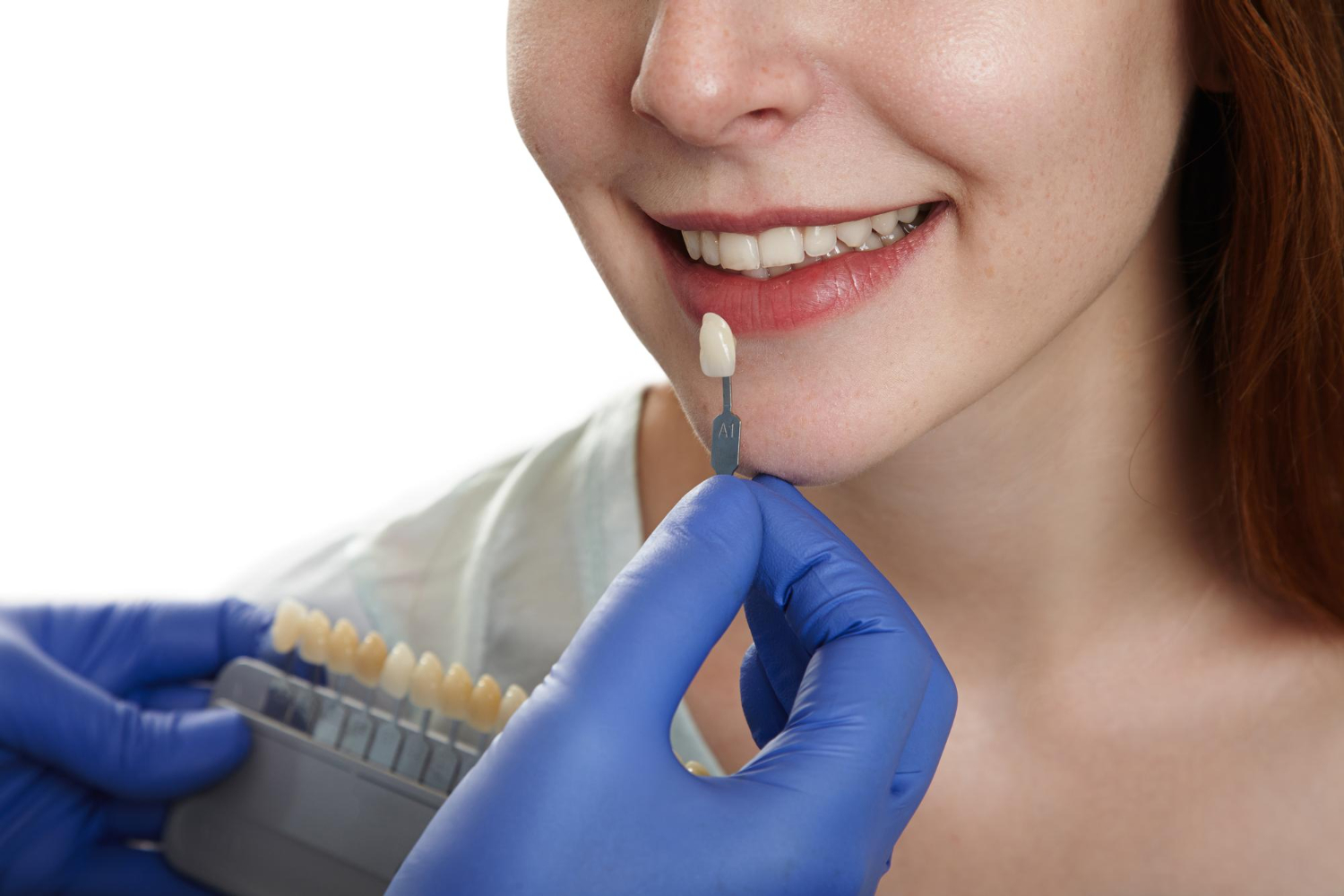
A porcelain veneer is a thin shell bonded to the front of a tooth. Depending on its design, it may also cover the biting edge and part of the sides.
A full crown fits around the visible part of the tooth, covering the front, back, sides and biting edge. It can restore the tooth’s shape and support its biting function.
When Might Veneers Be Suitable for Front Teeth?
Before recommending veneers for damaged teeth, your dentist checks how much healthy enamel is available for bonding. Veneers can be considered for the following concerns.
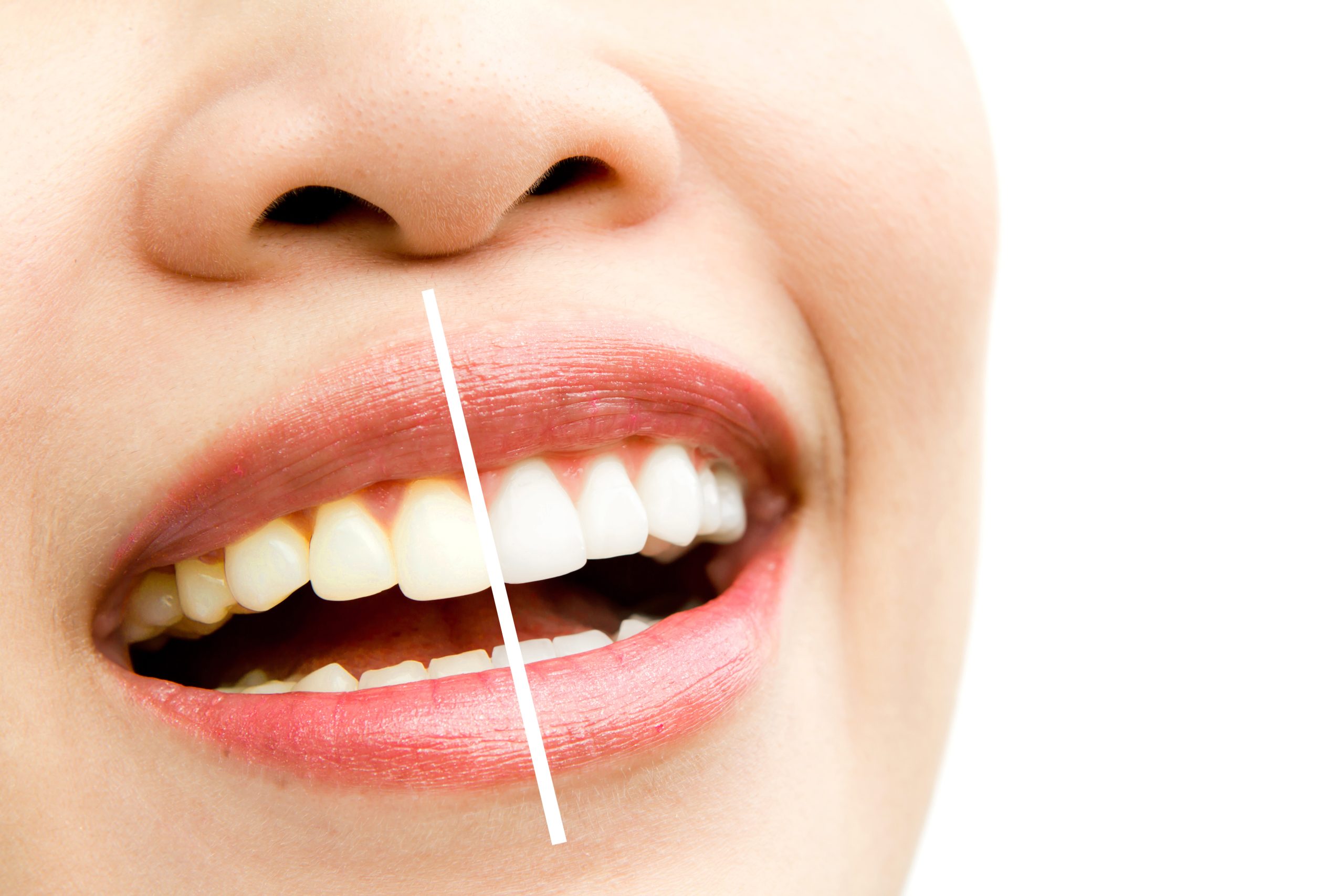
- Discolouration that does not respond well to whitening
- Small chips along the edges of front teeth
- Small gaps between teeth
- Differences in tooth shape or size
- Slight irregularities in alignment
Veneers can make slight irregularities less noticeable. If the teeth themselves need to be moved, your dentist may consider orthodontic treatment.
Who May Be Suitable for Veneers?
Veneers may be an option if your gums are healthy and there is enough sound enamel for the porcelain to bond to. Your dentist will check whether you clench or grind your teeth and whether your bite puts extra pressure on the front teeth.
When Might a Front Tooth Need a Crown?
Crowns on front teeth may be considered when a fracture or decay has caused substantial loss of tooth structure. The crown covers and supports the remaining tooth so it can function when you bite. The location of the damage and the amount of sound tooth left help guide the choice.
Tooth Preparation for Veneers and Crowns
When weighing up veneers vs crowns for front teeth, consider how much of the tooth will need to be reshaped. Your dentist aims to make room for the restoration while keeping as much healthy tooth as possible.
How Are Teeth Prepared for Veneers?
In most cases, the dentist removes a thin layer of enamel from the front of the tooth to make room for the veneer. The amount depends on the tooth’s position and shape and on the thickness of the porcelain. Some teeth need very little or no reduction. Enamel that is removed does not grow back.
How Is a Tooth Prepared for a Crown?
To fit a full crown, the dentist shapes the front, back, sides and biting edge of the tooth. This usually involves more preparation than a veneer. The amount of tooth structure removed depends on the condition of the tooth and the material used.
When Are Crowns on Healthy Teeth Considered?
When a tooth is healthy, the dentist looks at how much structure would need to be removed to make the change you want. Depending on the concern, options that may need less preparation include whitening for discolouration and bonding or veneers for small changes in shape.
How Do Decay, Large Fillings and Root Canal Treatment Affect the Choice?
Active decay is treated first. If a tooth has a large filling, the dentist checks the strength of the walls around it and looks for cracks. This helps determine whether the tooth needs extra support.
Does a Front Tooth Need a Crown After Root Canal Treatment?
The decision depends on how much sound tooth structure remains and the forces on the tooth when you bite. If the only loss of tooth structure is a small opening made for the root canal, a filling may be sufficient. A crown may be considered when a larger amount of tooth structure has been lost.
Appearance, Bite, Longevity and Care
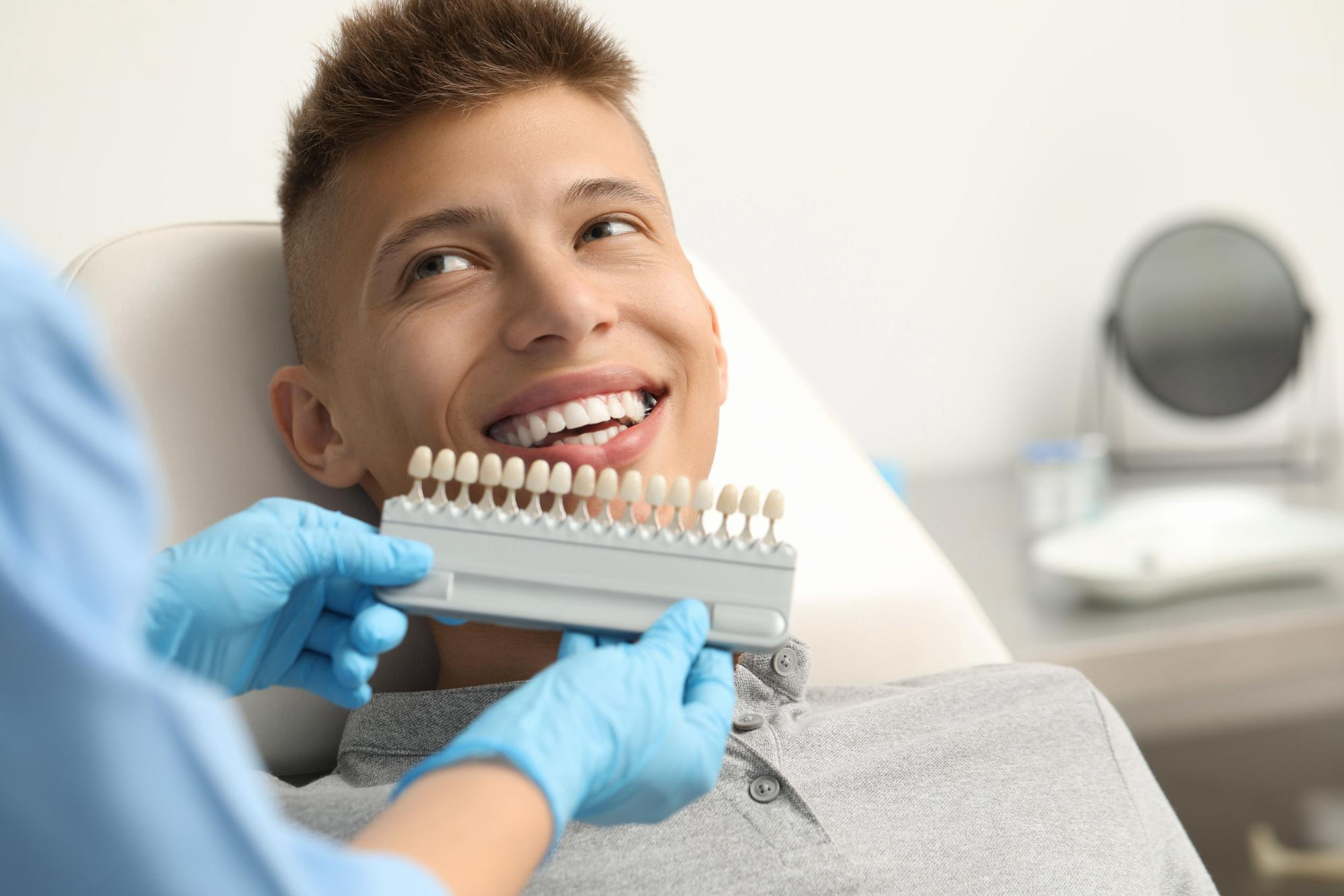
Veneers and crowns can be made to match the colour and shape of neighbouring teeth. A veneer changes the front surface. A crown can reshape the tooth all the way around. The result depends on the material and how well the restoration fits.
Your bite is how your upper and lower teeth meet when you close your mouth. Clenching or grinding can put extra pressure on front teeth and increase the risk of damage to a veneer or crown.
How long either restoration lasts depends on the material, your bite and how you look after your teeth. Brush twice a day with fluoride toothpaste and clean between your teeth daily. At regular check-ups, your dentist can examine the edges of the restoration and assess the fit.
How Do Dentists Choose Veneers or Crowns for Front Teeth?
During the examination, your dentist looks for decay, fractures and existing fillings. They also assess your gums and bite. They may use X-rays to check the root and surrounding tissues.
The choice depends on how the tooth needs to function, how much healthy structure can be preserved and the result you want. Ask your dentist how much preparation each option requires and whether a treatment that preserves more of the tooth could work for you.
Frequently Asked Questions
What is the main difference between a veneer and a crown?
A veneer mainly covers the front of the tooth. A full crown fits around the visible part of the tooth. That is why a crown usually involves preparing more of the tooth’s surfaces.
Do teeth always need reshaping before veneers?
The amount of preparation depends on the tooth’s position and shape and the planned thickness of the veneer. Most cases need a thin layer of enamel removed from the front. Some teeth can be treated with little or no reshaping.
Does every front tooth need a crown after root canal treatment?
A filling may be enough if sufficient healthy tooth remains. If there is a large fracture or substantial loss of tooth structure, your dentist may consider a crown. How much pressure the tooth takes when you bite also matters.
What can you consider before crowning a healthy tooth?
Whitening may help with discolouration. Bonding can be considered for small chips or shape differences, and veneers may suit some cases. Your dentist can explain which option could make the change while preserving healthy tooth structure.
Which lasts longer, a veneer or a crown?
The lifespan of either depends on the material, the pressure on the tooth and your oral care. At regular check-ups, your dentist can assess the fit and edges of the restoration and look for wear or damage.